Conny Waters - AncientPages.com - More than two dozen amazingly well-preserved bronze statues have been discovered in thermal baths of San Casciano dei Bagni, in Tuscany, Italy.
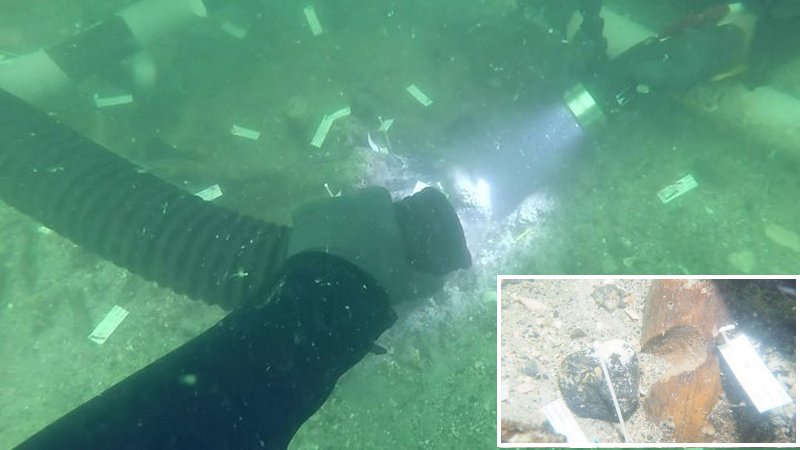
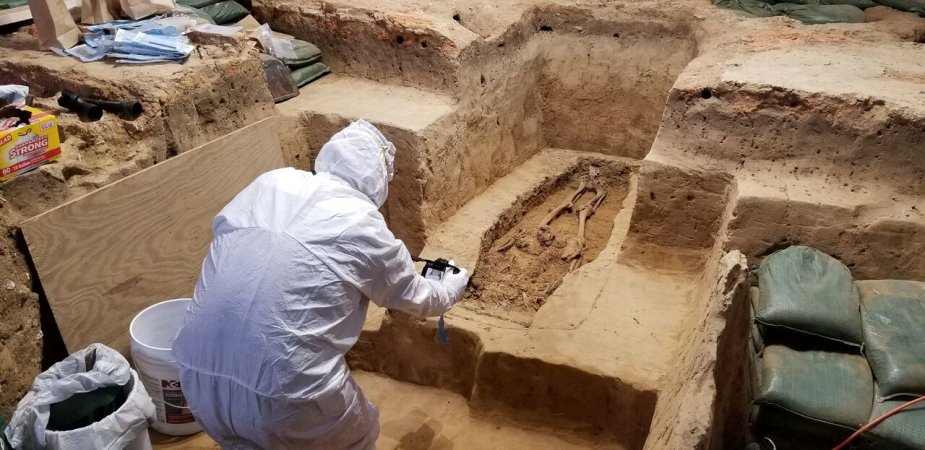
The discovery was made during the exploration of the muddy remains of an ancient bathhouse, and these works have been conducted since 2019.
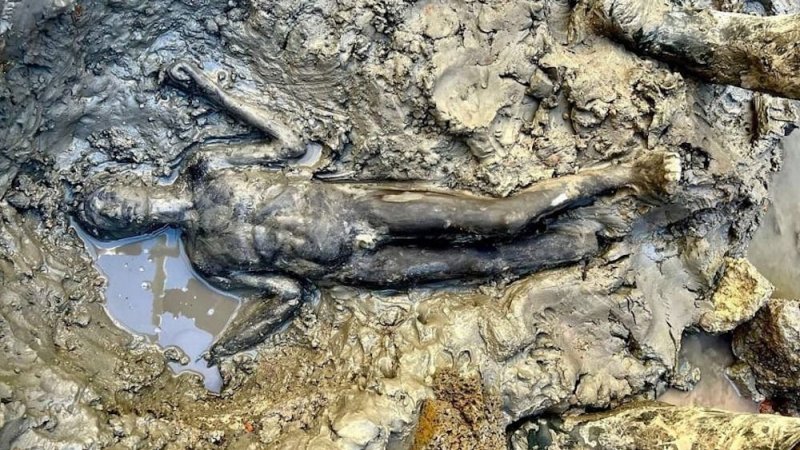
Two dozen well-preserved bronze sculptures depicting gods and other figures were discovered in a thermal bath in Tuscany. Image credit: Italian Ministry of Culture
San Casciano dei Bagni is a hilltop town in the Siena province, approximately 160 km (100 miles) north of Rome.
“It is a very significant, exceptional finding,” Jacopo Tabolli, an assistant professor from the University for Foreigners in Siena who coordinates the dig, told Reuters on Tuesday, as cited by CNN.
According to a top culture ministry official, Massimo Osanna, it is “one of the most remarkable discoveries “in the history of the ancient Mediterranean” and the most important since the Riace Bronzes, a giant pair of ancient Greek warriors, were pulled from the sea off the toe of Italy in 1972.
Tabolli added that the statues, depicting Hygieia, Apollo, and other Greco-Roman divinities, used to adorn a sanctuary before they were immersed in thermal waters, in a sort of ritual, “probably around the 1st century AD.”
“You give to the water because you hope that the water gives something back to you,” he said of the ritual.
Most of the statues date to the period between the 2nd century BC and the 1st century AD. It was a time of a period of “great transformation in ancient Tuscany” as it switched from Etruscan to Roman rule”, the Culture Ministry said in a statement.
It was an “era of great conflicts” and “cultural osmosis,” in which the Great Bath sanctuary of San Casciano represented a “unique multicultural and multilingual haven of peace, surrounded by political instability and war,” the ministry said.
The statues were covered by almost 6,000 bronze, silver and gold coins, and San Casciano’s hot muddy waters helped to preserve them “almost like as on the day they were immersed,” Tabolli explained.
The archaeologist said his team had recovered 24 large statues, plus several smaller statuettes, and noted that it was unusual for them to be made out of bronze, rather than terracotta.
Tabolli said this suggested they came from what he called an elite settlement, where archaeologists also found “wonderful inscriptions in Etruscan and Latin,” mentioning the names of powerful local families, the ministry statement added.
The ministry informed that the statues have been taken to a restoration laboratory in nearby Grosseto, but will eventually be put on display in a new museum in San Casciano.
Written by Conny Waters - AncientPages.com Staff Writer
Expand for references