A. Sutherland - AncientPages.com - The ancient civilization of Sumer still hides many secrets. Representatives of this unique culture left behind many art pieces, pottery, writing, hydraulic engineering, and monumental ziggurats, artificial mountains of sunbaked brick with exterior staircases that tapered toward a shrine at the top.
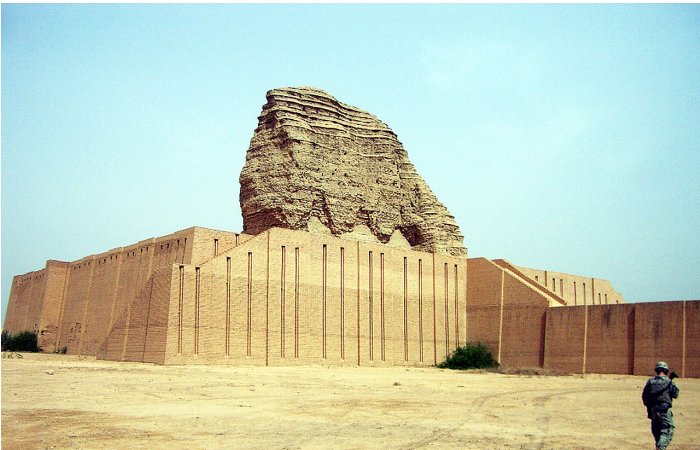
The ziggurat at Aqar Quf rises 180 feet above the desert west of Baghdad. Image credit: U.S. Army photo by Spc. David Robbins - CC0 1.0
Other Mesopotamian civilizations, such as the Akkadians, Babylonians, and Assyrians, adopted the Sumerian tradition of building ziggurats.
According to the Sumerians, the ziggurat was a cosmic axis. As Mircea Eliade (1907-1986), a Romanian historian of religion, philosopher, and professor at the University of Chicago, maintained, the Sumerians tried to live in the presence of the sacred because they "desired access to the ultimate reality and the power of the sacred."

This is a preview of our premium article available only to members of Ancient Pages.
Become a member to read more - Click here
If you are already a member and have logged in to your account, you can access the article here

See also:
Uruk – The Hero Gilgamesh’s City With A Sophisticated, Carefully, And Intentionally Planned Layout
Lost Kingdom Of Mari – Once Important Commercial And Political Center Of Mesopotamia
How Did Mesopotamia Change The World?