
The Rise And Fall Of The Sasanian Empire
David Tee - AncientPages.com - The area deemed today as Iran has had a long history. The Medes first ruled the nation in the 9th century BC. However, the Persians occupied Pars, and their name is associated with that region.
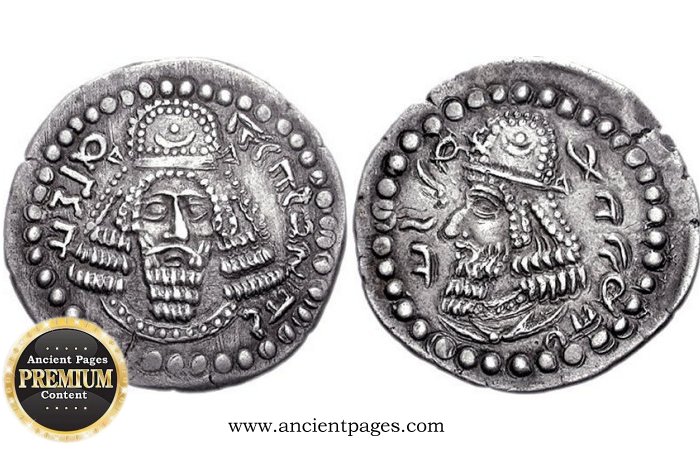
Different empires and conquerors have ruled the Iranian region over the years, including Alexander the Great and the Parthians. It was against the Parthians in 200 AD that Papak, a Persian prince and father of Ardashir I, began his revolt and started to build a power base.
His death was the only thing that stopped Papak from becoming the first Sasanian ruler. After a power struggle with his brothers, Ardashir I became the first Sasanian ruler. Between 208 and 224 AD, Ardashir I fought his brothers, and finally, he executed them. He established the Sasanian empire, which lasted between 224 and 651 AD. At this time, the term "shah" was used to refer to a ruler or king, and Ardashir I took the title "Shahanshah" - King of Kings of Iran.

This is a preview of our premium article available only to members of Ancient Pages.
Become a member to read more - Click here
If you are already a member and have logged in to your account, you can access the article here

See also:
Artemisia I Of Caria – Pirate Queen And Ally Of Xerxes I Was Loyal To No-One Except Herself
More From Ancient Pages
-
 What Happened To The Pythagorean Brotherhood?
-
 Ancient Mystery Of America’s Missing Metal – Can The Answer Be Found In Ancient Europe?
-
 Prince Wenceslaus Of Bohemia Was Murdered On Order Of His Own Brother
-
 Strange Ancient Underground Mystery In Connecticut Baffles Residents And Scientists
-
 Strange Ancient Labyrinth City Under The Sands Of The Kara Kum Desert Reveals Its Secrets
-
 Lusatian Culture: Ancient Traders Of Central Europe Built Strongly Fortified Settlements To Withstand Scythian Attacks
-
 The Wild Hunt And The Danger Of Seeing The Phantom Army Of Odin
-
 Ancient Mystery Of The American Southwest – Unusual Skeletons And Mummies – Part 2
-
 Mysterious Otherworldly Creatures Witnessed By Biblical Prophet – What Happened?
-
 Unexplained Encounters: Beings With Inhuman Eyes – A Darker Side Of Humanity Or Groundless Worries?
-
 Kallikantzaroi: Naughty Nocturnal Goblins Emerge From Underground Only During Twelve Days Of Christmas
-
 Popular Tyrant Peisistratos Tricked The Athenians To Seize Power And People Loved Him
-
 Ancient City Of Timgad: Largest Roman Settlement Ever Built In North Africa
-
 Strange Tales Of Loughareema – The Vanishing Lake Where People Are Lost
-
 Sōhei And Yamabushi: Fearsome Ancient Warrior Monks Of Japan
-
 Traces Of An Ancient Near East Civilization In America – Lost Tribes And Unorthodox Discoveries – Part 1
-
 The Mysterious Whispering Voice – A Beautiful Story Of Trust And Love
-
 Killer-Of-Enemies – Mysterious Non-Human Teacher And Hero Of The Apache Indians
-
 A Tooth That Rewrites History? The Discovery Challenging What We Knew About Neanderthals
-
 Controversial “Life Of St. Issa” Scroll Reveals Jesus Spent Several Years In India And Tibet

