
Hird – Viking Warriors And Professional Body Guards Prepared To Die For Their Leader
Ellen Lloyd - AncientPages.com - An influential Viking chief had many enemies lurking everywhere. To stay in power, he had to be protected. A hird consisted of hired professional warriors who guaranteed their leader's safety day and night.
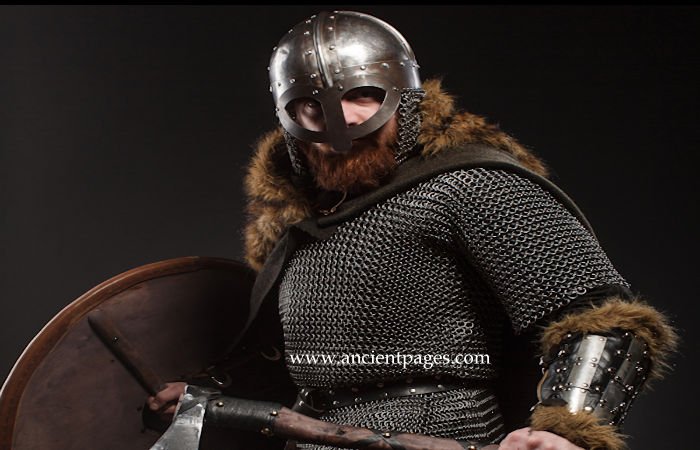
They were greatly rewarded for their services and lived a life many young men could only envy.
Many young Vikings dreamt about an adventurous life, and being chosen to a hird was a great honor. A young Viking had to distinguish himself because Viking chiefs selected the most skilled warriors and only those from influential families.
Being good in battle was no guarantee that a Viking could serve in a hird.

This is a preview of our premium article available only to members of Ancient Pages.
Become a member to read more - Click here
If you are already a member and have logged in to your account, you can access the article here

See also:
How Was A Viking King Elected And What Was Expected From Him?
More From Ancient Pages
-
 How Did Mesopotamia Change The World?
-
 Unusual Old Stone Map Found In The American Southwest
-
 Extraordinary Discovery Of First Viking Tower In Viborg, Denmark Re-Writes Viking History
-
 Neanderthals Cared For Each Other And Survived Into Old Age – Study Shows
-
 Sun God Ra Was Venerated In Every Age Of Ancient Egypt’s Long Dynastic History
-
 Old Norse Settlers Traded Walrus Ivory With Kyiv – Spectacular Archaeological Finds Reveal
-
 Burials Of An Unknown Race Of Unusually Small Humanoids Found In Ohio May Confirm Native American Legend
-
 Drinking Horn: Important Yule Symbol And Its Connection To Biblical Magi And Christmas
-
 Strange Encounter With A Supernatural Being In The 1790s
-
 Ancient Cosmic Event And Unearthed Artifacts May Solve An Enduring Viking Mystery
-
 Remarkable 4,000-Year-Old Seahenge In Norfolk – What Was The Purpose Of The Bronze Age Monument?
-
 Why Were The Jews Exiled To Babylon?
-
 Neanderthals: How A Carnivore Diet May Have Led To Their Demise
-
 Lusatian Culture: Ancient Traders Of Central Europe Built Strongly Fortified Settlements To Withstand Scythian Attacks
-
 Lejre Viking Hall And Beowulf – What Is The Connection?
-
 Mysterious Old Ship With No Crew Reaches The Canadian Coast
-
 Jolabokaflod – Iceland’s Wonderful Christmas Book Flood Tradition – Exchange Books As Christmas Eve Presents And Spend The Evening Reading
-
 Vittra – Invisible, Elusive And Seductive Supernatural Spirits That Live Underground And Close To Humans
-
 Giant Mimir And The Well Of Wisdom In Norse Beliefs
-
 Hyksos: Foreign Rulers Of Avaris Who Founded The Fifteenth Dynasty Of Egypt

