
Unique Temple Of The Condor In Machu Picchu: 3D Spectacular Inca Stonemasonry
A. Sutherland - AncientPages.com - The Temple of the Condor in Machu Picchu is spectacular and one of many examples of extraordinary Inca stonemasonry. It is also one of several local temples located in the sacred area of these ancient people.

The Temple of the Condor, located in the South East of the urban sector of the Citadel of Machu Picchu, is unique. It has an irregular shape that has been built to the outlines of the pre-existing rock that began to take shape millions of years ago.
The condor - South America's largest bird that granted the status of King of the Andes, was sacred, mystical bird, a deity to the Incas and to honor this bird, they skillfully shaped the small temple into the outspread wings of a flying condor, which is known to have a wingspan of up to 8 feet, and it can fly to great heights.
The Condor was a sacred bird for all the people of the Andes. The bird was a divine symbol of fertility and people believed that by moving its enormous wings, the bird could gather clouds producing rain, the best fertilizer for the land.

The Condor was and is still admired as a symbol of power and majesty.
On the floor of the temple is a rock carved in the shape of the condor's head and neck feathers, resembling the figure of a three-dimensional bird.
See also:
Unraveling The Mystery Of The Phoenix: The Bird Of Immortality
Manco Capac: Legendary Founder Of The Inca Dynasty Of Peru
The temple was built above the carved wings of the bird, while below the rock was a small alcove for offerings.
It is believed that the head of the bird was used as a sacrificial altar, and a small cave or rather alcove that contained a mummy was discovered under the temple.

There are caves for rituals and stone carvings which have been said to be a representation of a Condor.
Behind the temple, there are remains of a prison complex with human-sized niches and an underground network of dungeons.
Historical chronicles confirm that there were several similar Inca prison sites; an accused citizen would be shackled into the niches for up to 3 days to await the deliberation of his fate. He could be put to death for diverse sins such as theft, laziness, or lust.
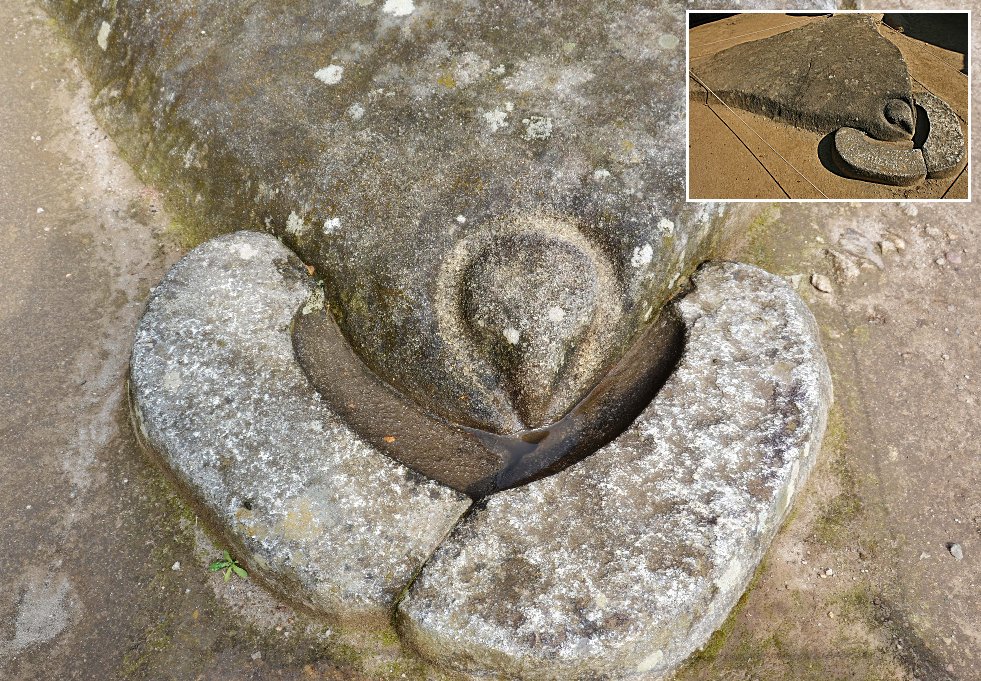
Sculpture of the condor's head and body, Temple of the Condor, Machu Picchu, Peru. Photo: Beto Santillán. Machu Picchu Tours
According to one theory, the prisoners were sacrificed as an offering to the condors and they were kept in the cells, located beneath the Temple of the Condor.
Undoubtedly, this was a place specifically built for worshiping the “Apu Kuntur” (condor), which was one of the three sacred animals in the Inca culture, as well as the serpent and the puma (mountain lion).
Written by – A. Sutherland AncientPages.com Staff Writer
Copyright © AncientPages.com All rights reserved. This material may not be published, broadcast, rewritten or redistributed in whole or part without the express written permission of AncientPages.com
Expand for referencesMore From Ancient Pages
-
 Early Human Settlement Unearthed In Tajikistan’s Zeravshan Valley Gives New Insights Into Human Expansion
-
 Rare Byzantine Gold Coin Discovered In Norway – Was It Brought By Harald Hardrada From Constantinople
-
 Was Alulim, First King Of Sumer And Eridu Biblical Adam?
-
 Mesopotamian City Jemdet Nasr Dated To 3100–2900 BC: Sophisticated Irrigation Techniques And Earliest Cylinder Seals
-
 Mysterious Cave With Giant Skulls Decorated By The Neanderthals Discovered In Spain
-
 Mysterious Figurine Of Seated Olmec Woman With Polished Hematite Disk
-
 Paleolithic Humans May Have Understood The Properties Of Rocks For Making Stone Tools
-
 Hunter-Gatherers Of Baltic Region Had Culturally Distinct Cuisines Related To Traditions
-
 Neanderthal DNA Still Influence Modern Human Genes – Scientists Say
-
 Will Egypt be able to buy back the 4500-year-old statue of Sekhemka?
-
 Humans Started Wearing Clothes 100,000 To 500,000 Years Ago
-
 Ouray In Colorado – Looping Long-Necked Dinosaur Site Reveals Its Secrets
-
 How Did A Rare 2,000-Year-Old Gem Seal Depicting God Apollo End Up In The City Of David?
-
 Eclipse Was A Bad Omen, A Sign Of Gloom And Doom In Ancient Peoples’ Beliefs
-
 What Is The Meaning Of Ancient Hand Signs We Still Use Today?
-
 ‘Sea Monsters’ Were Real Millions Of Years Ago: New Fossils Tell About Their Rise And Fall
-
 Millennia-Old Sumerian Tripod Vase Dedicated To God Ningirsu, The Son OF Enlil
-
 Mass Production Of Stone Bladelets Led To A Cultural Shift In Paleolithic Levant
-
 Who Or What Is Behind These Unexplained Lights Following People Over Long Distances?
-
 Stone Tools In Lapa do Picareiro Cave Reveal Modern Humans Reached Western Parts Of Europe 5,000 Years Earlier Than Previously Thought

