Conny Waters - AncientPages.com - Has a previously unknown Roman town near St. Pantaleon-Erla in Lower Austria been discovered? Which Roman city could it be? Was it perhaps the settlement of Claudivium, likely abandoned around 180 AD?
Since 2015, an interdisciplinary research team has focused on the approximately ten-kilometer section of the Roman Danube Limes between Enns (Upper Austria) and St. Pantaleon-Erla (Lower Austria).
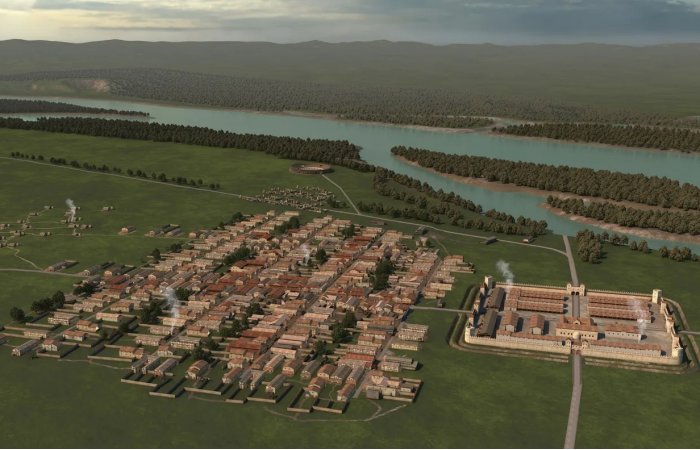
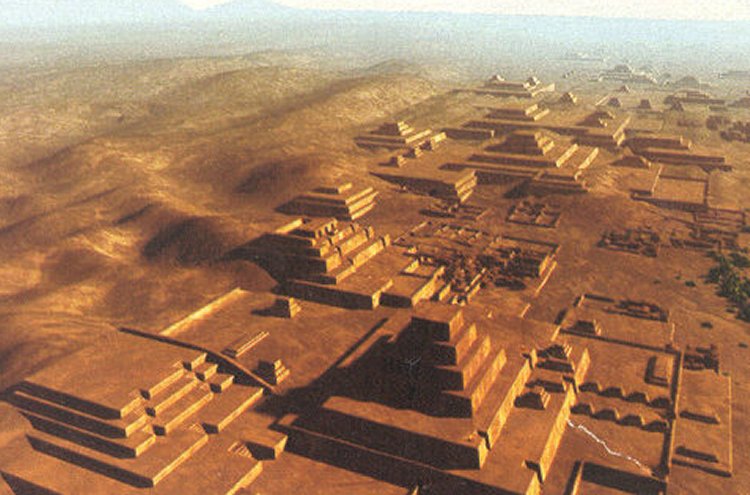
This is what the "forgotten" town in Stein (St. Pantaleon-Erla) might have looked like – it could possibly be the Roman Claudivium. Credit: University of Innsbruck
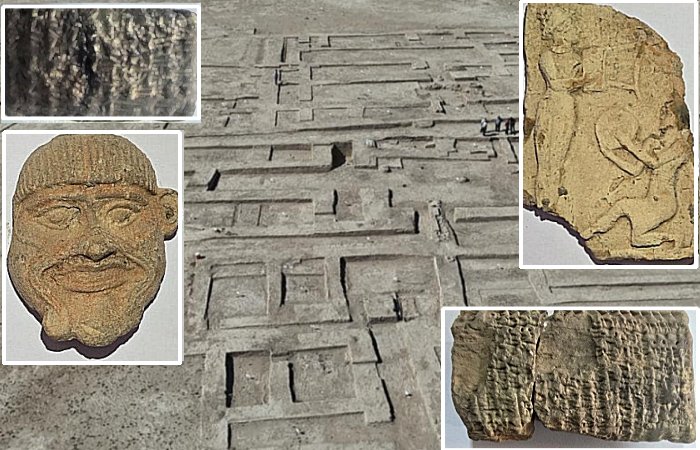
The Danube Limes served as a central hub on the northern border of the Roman province of Noricum. Researchers now report that geophysical measurements reveal a planned urban area of 25 to 30 hectares, with a regular street grid and an amphitheater for about 8,000 people, in present-day St. Pantaleon-Erla, in the hamlet of Stein. "This matches the size of the amphitheater in the well-known military town of Carnuntum," explains Gerald Grabherr, archaeologist at the University of Innsbruck.
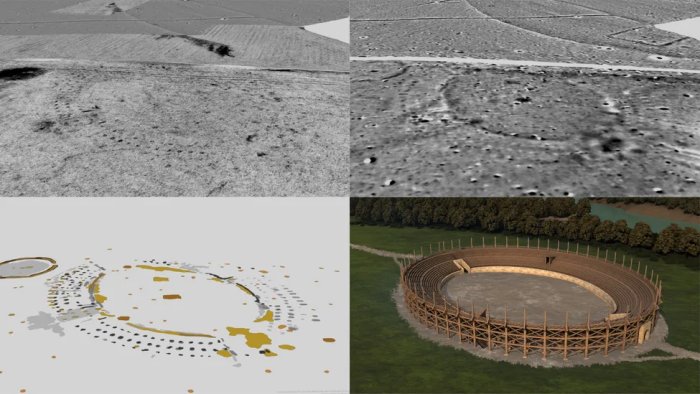
The amphitheater in Stein – possibly Claudivium – could accommodate around 8,000 people and represents a sensational find for the scientists involved. GeoSphere Austria collected the geophysical data, and 7Reasons created the visualization. Credit: University of Innsbruck
Current research indicates that settlement began in 80 AD and was abandoned around 180 AD. This relatively brief occupation period gives researchers unique insights into this era of Roman history.
The Roman City Was Not Destroyed - Why Was It Deserted?
"Our archaeological findings suggest a planned withdrawal from the area around 180 AD. There is no evidence of destruction," emphasizes Barbara Kainrath of Research Archaeology.
In 2017, Gerald Grabherr discovered a Roman stone fort from the 2nd century AD in Stein. Subsequent geophysical surveys revealed a timber-and-earth fortification from the 1st century AD. This military site, located east of the Enns River, primarily controlled the Danube crossing near the Aist River, which flows into the Danube from the north.
The Aist Valley was a key trade route between the Danube and the Vltava (Moldau), making it significant for trade beyond the Roman Empire. There were also apparent efforts to conquer the Marcomannic territory north of the Danube Limes. Additionally, archaeologists have found three to four Roman camps north of the Danube, suggesting a troop concentration.
"The construction of a 25- to 30-hectare settlement with a street grid for an auxiliary fort with approximately 500 soldiers is unprecedented in the Roman Empire."
“Civilian settlements typically sprang up near forts to supply the troops. However, the construction of a 25- to 30-hectare settlement with a street grid for an auxiliary fort housing approximately 500 soldiers is unprecedented in the Roman Empire,” emphasizes Grabherr. The settlement was planned on paper and, in appearance, fits with other autonomous Roman towns in the province of Noricum.
Previously Undiscovered Buildings
Burial grounds lined the roads leading out of the city. A large cemetery with many graves, tombs, and burial mounds was found, especially in the northwest. The considerable size of some graves suggests wealthy individuals were buried there. The discovery of the amphitheater further confirms the Roman site's urban character and significance.
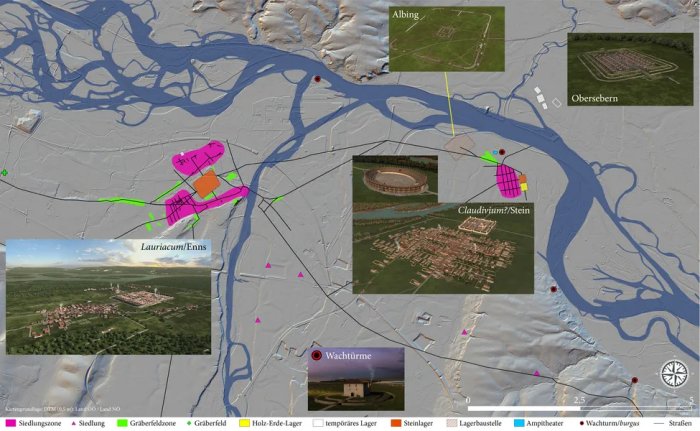
The Roman settlement landscape between Enns and St. Pantaleon-Erla: To the west, Lauriacum Enns; further east, possibly Claudivium/Stein south of the confluence of the Aist and the Danube. Several watchtowers and (temporary) Roman camps north of the Danube have also been identified in the area. Credit: University of Innsbruck
Within the municipality of St. Pantaleon-Erla, in Albing, researchers discovered a legionary camp construction site. Although builders laid foundation ditches and substantial foundations for fortifications and the headquarters, they never built standing walls, and the camp was never completed.
“The discoveries raised the question for us: which Roman city could this settlement have been?” Grabherr explains. Claudius Ptolemy, a 2nd-century geographer, mentions a place called “Claudivium” with coordinates matching the Roman city found in Stein. He also notes a river flowing from the north, likely the Aist River.
Coin finds suggest the city was abandoned around 180 AD, coinciding with the succession from Marcus Aurelius to Commodus. This matches later sources that no longer mention Claudivium. After Commodus became emperor, he ended the Marcomannic Wars with a peace treaty. As part of a new strategic realignment along the Danube Limes, Claudivium may have been abandoned, while Lauriacum, a legionary camp on the Enns River, was retained. Lauriacum/Enns then entered its heyday.
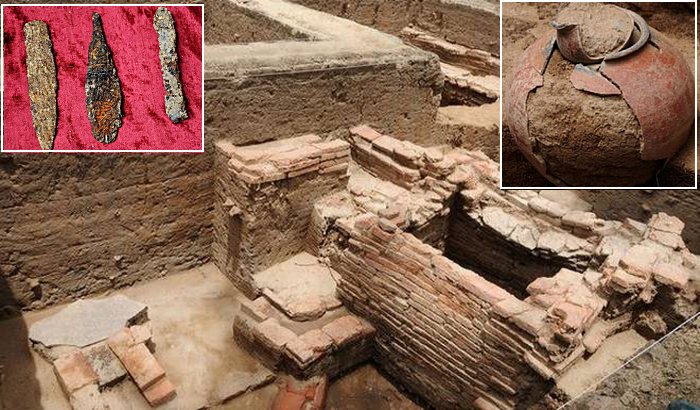
Finds show that people from the abandoned city settled there, including craft workshops: "We discovered bronze casting tools and the same fibulae – that is, garment pins – that were also found in stone in the city." Fifty years after the relocation, the legionary base was about three times the size of the former town in Stein, which was then used as a quarry.
See also: More Archaeology News
More excavations and research around the abandoned city in Stein could reveal important new details about the period between the Flavian dynasty (69 to 96 AD) and the Marcomannic Wars (166 to 180 AD). Barbara Kainrath and Gerald Grabherr explain that using modern methods like aerial archaeology, geophysics, targeted digs, and natural science techniques could make a big difference. However, although the region is very important, they have not yet secured the funding needed for research that meets international standards.
Source: University of Innsbruck
Written by Conny Waters - AncientPages.com Staff Writer