
Modern Banking Concept Started In Ancient Babylonian Temples
Ellen Lloyd - AncientPages.com - The history of banks can be traced to ancient Babylonian temples in the early 2nd millennium BC. In Babylon at the time of Hammurabi, there are records of loans made by the priests of the temple. Temples took in donations and tax revenue and amassed great wealth. Then, they redistributed these goods to people in need such as widows, orphans, and the poor.
After a thousand years, the priests who ran the temples had so much money that the concept of banking came up as an idea. Around the time of Hammurabi, in the 18th century BC, the priests allowed people to take loans. Old Babylonian temples made numerous loans to poor and entrepreneurs in need. Among many other things, the Code of Hammurabi recorded interest-bearing loans.
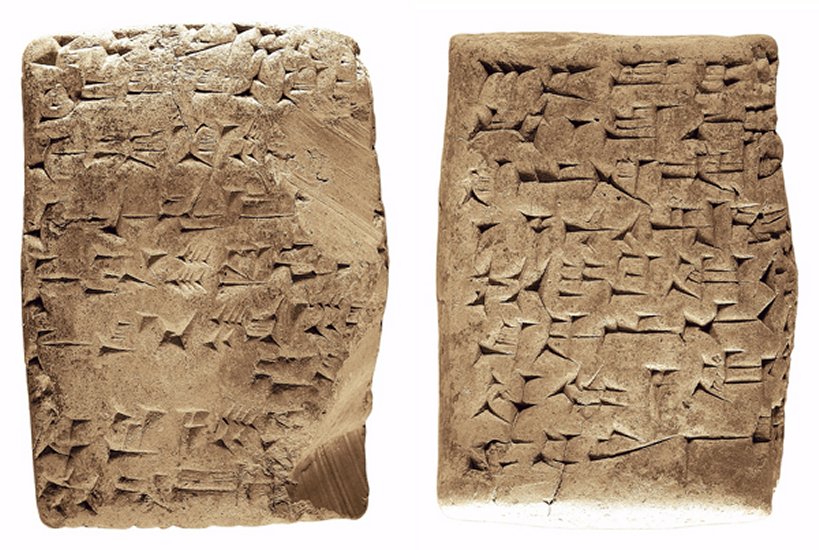
Cuneiform tablet detailing a loan of silver, c. 1800 BC. The text reads:
“3 1/3 silver sigloi, at interest of 1/6 sigloi and 6 grains per sigloi, has Amurritum, servant of Ikun-pi-Istar, received on loan from Ilum-nasir. In the third month she shall pay the silver.”
1 sigloi=8.3 grams.
The loans were made at reduced below-market interest rates, lower than those offered on loans given by private individuals, and sometimes arrangements were made for the creditor to make food donations to the temple instead of repaying interest. Cuneiform records of the house of Egibi of Babylonia describe the families financial activities dated as having occurred sometime after 1000 BC and ending sometime during the reign of Darius I, show a "lending house" a family engaging in "professional banking."
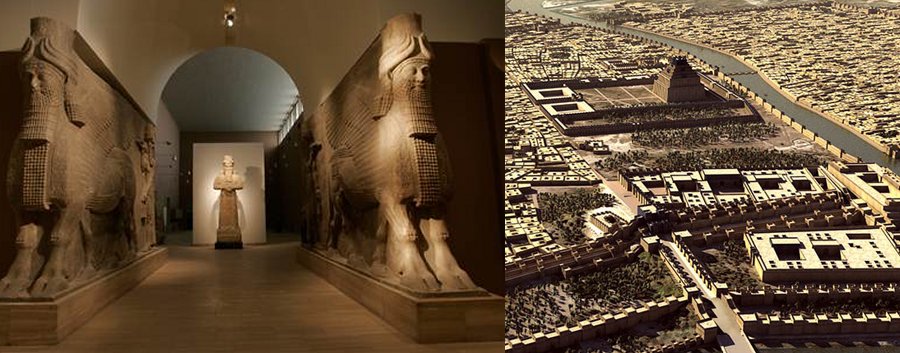
In ancient Egypt and Mesopotamia gold was deposited in temples for safe-keeping. There were three types of banks operating within Egypt, royal and private.
See also:
Our 7-Day Week Can Be Traced To Babylonians Who Started Using It 4,000 Years Ago
Food And Clothing Of Middle Class Of The Sumerian Society
What Did Houses For Ordinary People In Sumer Look Like?'
During the whole Graeco-Roman period (332 B.C. - 642 A.D.), banks were of three types, either privately run, leased, or owned by government, of which included within this last group were some organizations having dual roles including being additionally treasury departments. The recording of the gathering of money to buy grain in a pharaoh's kingdom as ordered by the Biblical Joseph, is written within the book Genesis of the Bible, and this money was placed within the house of the pharaoh. Joseph bought with the money of the pharaoh a large amount of corn, having this then laid in the public granaries.
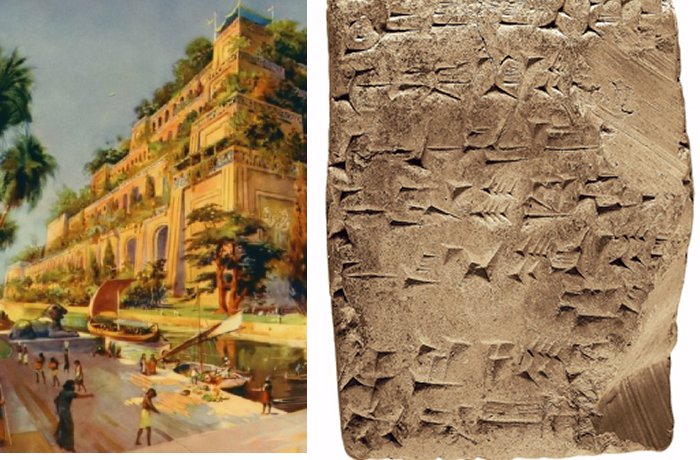
In ancient Greece, private entrepreneurs, as well as temples and public bodies, undertook financial transactions. They took deposits, made loans, changed money from one currency to another and tested coins for weight and purity.
They even engaged in book transactions. Money lenders accepted payment in one Greek city and arranged for credit in another, avoiding the need for the customer to transport or transfer large numbers of coins.
Ancient Rome adopted the banking practices of Greece. So, the history of banking can be traced to very ancient times.
If you are interested in the history of money, don't miss our comprehensive article on the subject:
Our Lives Have Always Been Manipulated By Money – Part 1 - 3
Written by: Ellen Lloyd - AncientPages.com
Copyright © AncientPages.com All rights reserved. This material may not be published, broadcast, rewritten or redistributed in whole or part without the express written permission of AncientPages.com
Expand for referencesMore From Ancient Pages
-
 Medieval Manuscript Reveals Surprising Discovery Of Star Wars Master Yoda & Shocking Monsters
-
 Mysterious Ancient Hittite Tablets And 8,000-Year-Old Ornaments Discovered In Kateřinská Cave, Czech Republic
-
 Mystery Of Gilmerton Cove: Underground Maze Of Caves, Passages And Tunnels
-
 Ancient Mystery Of The American Southwest – Unusual Skeletons And Mummies – Part 2
-
 Skulls and inscriptions on three rings found by archaeologists in Wales
-
 Rare ‘Forbidden’ Books With Ancient Knowledge Concealed From The World Examined By Experts
-
 Mysterious Ancient Underground King And Ruler Of The World – Secret Science – Part 2
-
 Oldest Canoe Ever Discovered In Maine – It Dates To 1280-1380 A.D
-
 Are We Really In A Sixth Mass Extinction?
-
 The 426-Km-Long Roman Aqueduct Provided Water For Constantinople – New Study
-
 1,800-Year-Old Richly Painted Tomb Unearthed In Northern Jordan
-
 Strange And Scary Encounter With Ancient Giants In North America
-
 Unexplained Old Cases Of People Who Saw The Past And The Future – Time Travel Mysteries
-
 Indigenous Village Estimated To Be 11,000 Years Old – Discovered Near Sturgeon Lake
-
 Ancient Chinese Ingenuity Created Sophisticated Time Keeping Machines: Proof Of Remarkable Ancient Knowledge
-
 Early Humans In The Hula Valley Invested In Systematic Procurement Of Raw Materials Hundreds Of Thousands Of Years Ago
-
 Large Palace Discovered At Mayan City Of Kulubá In Yucatan, Mexico
-
 Medici Family – Powerful Renaissance Godfathers And Patrons Of Galileo Galilei
-
 LIDAR Disovers 2,000-Year-Old Roman Temple Under Church In Danilo, Croatia
-
 On This Day In History: Mayan King Bird Jaguar IV Assumes The Throne – On May 3, 752

