
Seppuku: Ancient Suicide Ritual That Guaranteed Honorable Death Instead For Life In Shame
A.Sutherland - AncientPages.com - Seppuku is a ritual form of committing suicide in Japanese society.
Many people living in the Western world believe it is a horrible and barbaric act. According to the Japanese way of thinking, however, the seppuku ("cutting the belly") meant an honorable death, which was more desirable than a useless life in shame.
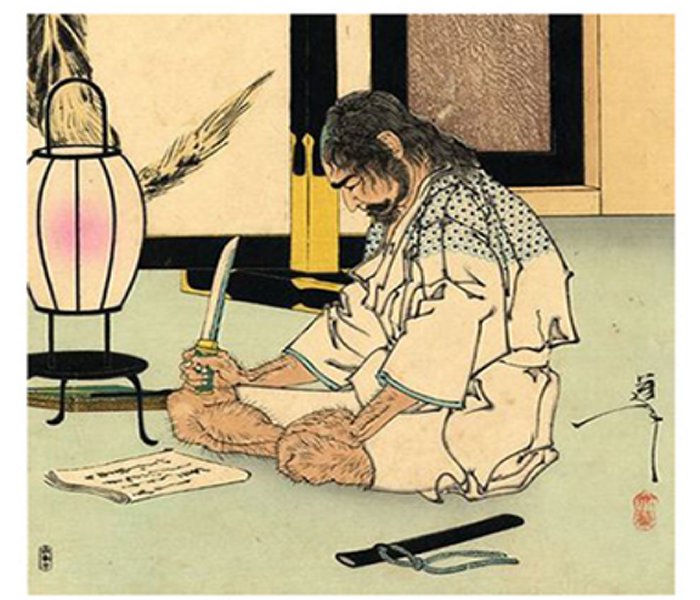
Seppuku's suicide by disembowelment using a samurai sword represents an old Japanese suicide tradition that dates back to the 11th century. The word ‘seppuku’ comes from the words setsu, meaning ‘to cut,’ and fuku meaning ‘abdomen.’
During Japan’s early feudal period, a powerful warrior class was created. These Japanese warriors battled to expand the power and influence of clans in order to protect the autonomy of their lands and create a unified state system.
The tradition of seppuku intensified particularly in the 15th/ 16th century during the period of the Japanese civil wars but it was officially forbidden by two decrees, one introduced in 1603 and another, in 1663.
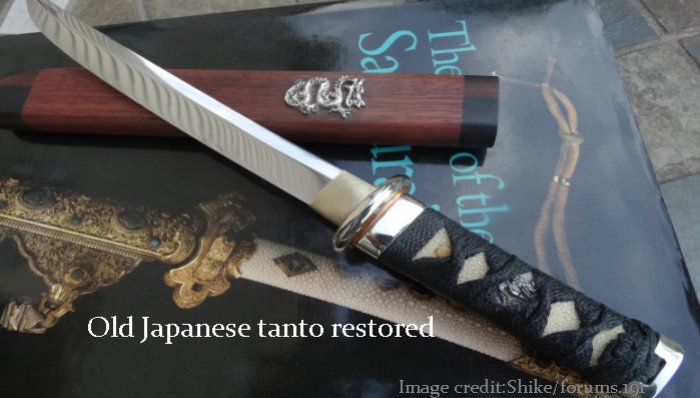
The Tokugawa shogunate (also called the Edo period, 1603-1867) managed to restore stability and peace in Japan, for over 250 years and reorganized the samurai fiefdoms. The seppuku suicide ritual was no longer officially supported but at the same time, it was saved from the state of being no longer practiced.
During the prolonged period of peace, Tokugawa authorities incorporated seppuku into the rules of conduct for samurai commonly known today as ‘Bushido Code’.
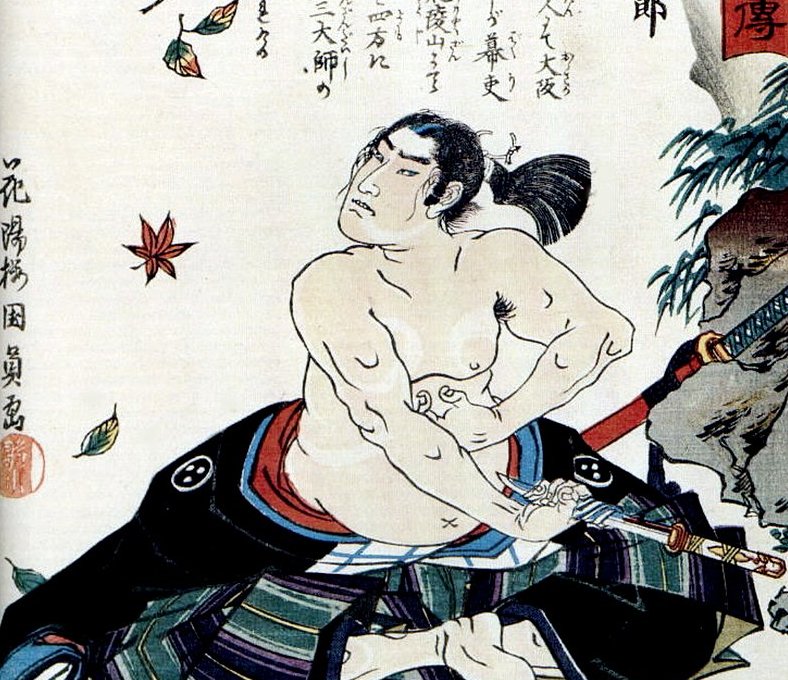
Samurai about to perform seppuku. (edo period (1850-1860)) Image credit: Kunikazu Utagawa/ wikipedia
Despite the abolition, people continuously practiced the ritual, which was considered a true privilege for both samurai warriors and the nobles. There are ancient accounts of defeated enemies who were given a chance to commit suicide and it was considered by them as grace. They were able to keep their honor intact.
The seppuku was once again officially forbidden in 1868.
Reasons That Could Explain The Seppuku
The seppuku was necessary to avoid the shame of falling into the hands of the enemy. It was also considered an honorable punishment. Sometimes it was performed to demonstrate some kind of disagreement or loyalty towards one's deceased lord or husband.
How Did The Procedure Of The Seppuku Look Like?
At first, the suicide candidate (in a white kimono) had to prepare the so-called death poem. Then, he took a short dagger to cut his abdomen by slicing it from the left lower part of his upper body upwards in the right direction.
Then he was expected to lower his neck and ‘the kaishakunin’ (an assistant who was often the best friend was always present during the procedure), had to blow off the seppuku candidate's head - possibly with one strong blow of his sword in order to shorten the man’s very painful suffering.
It happened that the seppuku was performed under extremely uncomfortable conditions on the battlefield.
In that case, there was no time and no suitable place for the seppuku ritual to be performed. The ritual was usually done quickly.
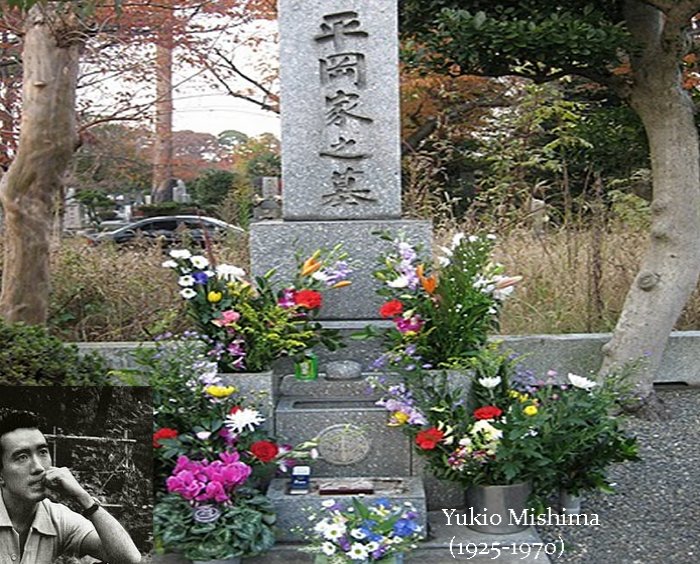
The latest and widely known case of seppuku is from November 1970.
Yukio Mishima (1925-1970), a Japanese author, playwright, actor, film director, and founder of the Shield Society (‘Tatenokai’) a private militia in Japan dedicated to traditional Japanese values and veneration of the Emperor decided to commit suicide.
Mishima, also accomplished in the martial arts, was a controversial man, who deeply honored the Bushido Code values. In 1970, he and three other members of his militia staged an attempted coup d'état when they seized control of a Japanese military base and took the commander hostage, then tried and failed to inspire a coup to restore the Emperor's pre-war powers.
Mishima then committed ritual suicide by seppuku.
Written by – A. Sutherland AncientPages.com Staff Writer
Copyright © AncientPages.com All rights reserved. This material may not be published, broadcast, rewritten or redistributed in whole or part without the express written permission of AncientPages.com
Expand for referencesReferences:
Joseph P. The SAGE Encyclopedia of War: Social Science Perspectives
Rankin A. Seppuku: A History of Samurai Suicide
Niz X. W. Samurai: A Guide to the Feudal Knights
More From Ancient Pages
-
 When And Why Was Yakuza, The Japanese Mafia Founded?
-
 A 35 Meter-Long Stone Platform Dated To 6,000 BC Discovered In Saudi Arabia
-
 Magnificent Reconstruction Of Scotland’s Largest Pictish Fort Burghead
-
 Huehueteotl: Old Aztec God Of Fire, Time And Aging – Ceremony Of The New Fire
-
 Princess Mkabayi KaJama: Condemned And Hated Zulu Kingmaker Who Died A Lonely Woman
-
 Mysterious Ancient Spiral Structure And Buried Towers Discovered At Angkor Wat
-
 Apkallu – Seven Antediluvian Sages Created By God Enki – Were They The Watchers?
-
 Extraordinary Painted Tomb Belonging To A Mercenary Warrior Found At Pontecagnano Necropolis
-
 Who Were The Ancient Maya Bat People?
-
 Extraordinary Etruscan And Roman Treasure Trove Unearthed In San Casciano dei Bagni, Italy
-
 10 Christian Symbols Explained
-
 Warrior Uesugi Kenshin And His Nagamaki Special Guards
-
 Rare 2,700-Year-Old Seal Of Biblical King Jeroboam II’s Servant Confirmed Authentic
-
 Wanyūdō The Soultaker – Fearsome Yōkai In Japanese Mythology
-
 Ancient Mosaic Floor Decorated With Colorful Floral Designs Re-Uncovered After 40 Years
-
 11 Ancient Submerged Canoes Found In Wisconsin’s Lake Mendota – Evidence Of A Lost Village?
-
 A Scientist’s Powerful Dream Revealed An Extraordinary Archaeological Discovery
-
 Namoratunga – Kenya’s Fascinating Megalithic Site Oriented Toward Specific Stars And Constellations
-
 Choctaw Indians’ Legend Of Nanih Waiya Cave Mound – Mysterious Underground Realm Of Their Ancestors And Their Battle With Giants
-
 A Scarab Seal At Tel Gerisa, Depicts Walking Lion – Symbol Of Strength, Power And Authority

