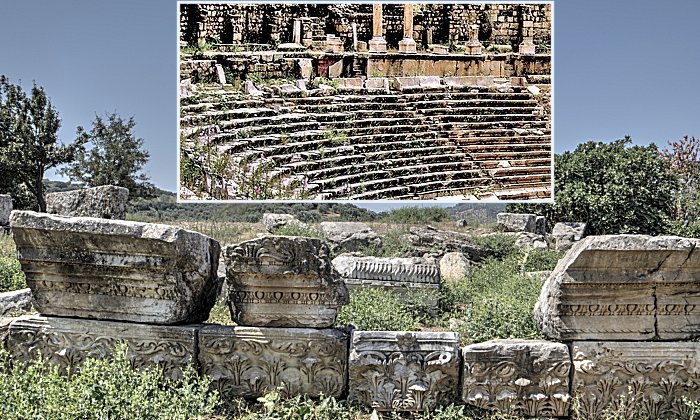
Conny Waters - AncientPages.com - An Egyptian archaeological mission at the Marina El Alamein site in Egypt has uncovered 18 sealed ancient tombs, along with sarcophagi, surface burials, and artifacts. These findings provide new insights into the history and cultural significance of one of Egypt’s most important ancient coastal cities.
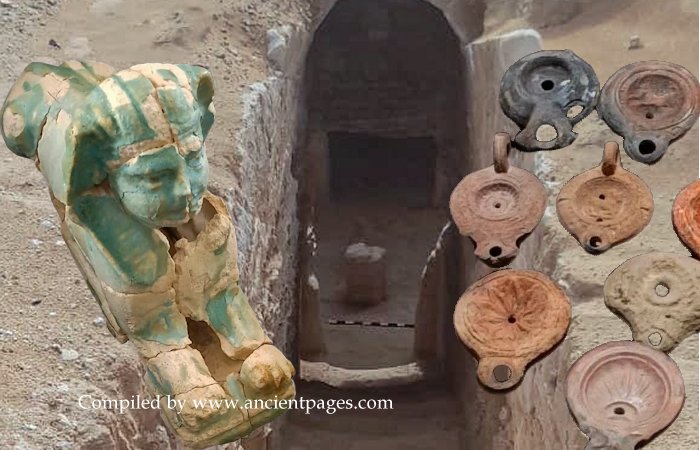
Credit: Ministry of Tourism and Antiquities. Image compilation AncientPages.com
Recent excavations have revealed additional architectural remains, expanding the known boundaries of the ancient settlement. The total number of tombs identified at the site since 1986 now stands at 44, further establishing Marina El Alamein as a significant Mediterranean archaeological site. These discoveries highlight the city’s historical role as a center where Egyptian and Greco-Roman traditions coexisted.
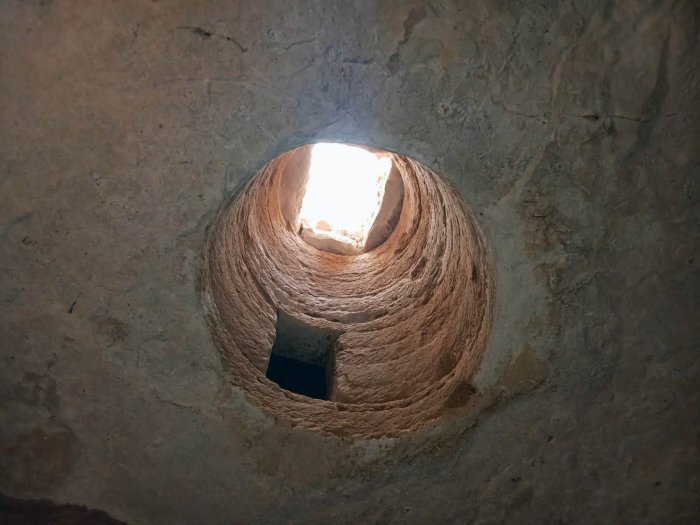
Credit: Ministry of Tourism and Antiquities
Minister of Tourism and Antiquities Sherif Fathy said the discovery is an important scientific step that helps people better understand Marina El Alamein’s ancient cultural identity. He also pointed out that the city played a key role as a cultural and commercial link between Egypt and the Mediterranean.
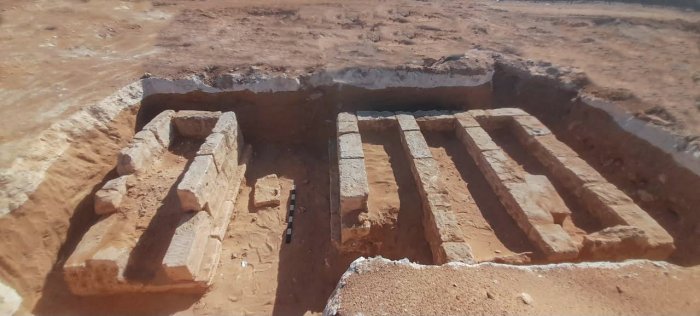
Credit: Ministry of Tourism and Antiquities
He added that the Ministry is still supporting archaeological digs and is working on a project to open Marina El Alamein to visitors. The goal is to create a new cultural tourism spot that adds to the North Coast’s popular seaside destinations.
Hisham El-Leithy, Secretary General of the Supreme Council of Antiquities, said the project will include a visitor center, routes for electric vehicles and pedestrians, a museum storage building, an administrative office, and an open-air theatre. The project should be finished in the first half of next year.
Credit: Ministry of Tourism and Antiquities
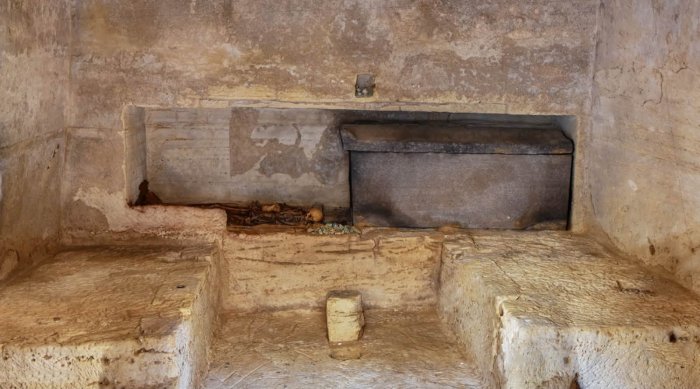
Mohamed Abdel Badie, Head of the Egyptian Antiquities Sector at the Supreme Council of Antiquities, said the newly discovered cemetery contains 11 rock-cut hypogea, each about 8 meters deep, and 7 above-ground limestone tombs. Many burial chambers are still in excellent condition, with entrances that have stayed sealed since ancient times.
Excavations also found several surface burials around the tombs, showing the city’s social diversity. A water well later used for burials demonstrates that ancient Egyptian funerary traditions persisted during the Ptolemaic and Roman periods.
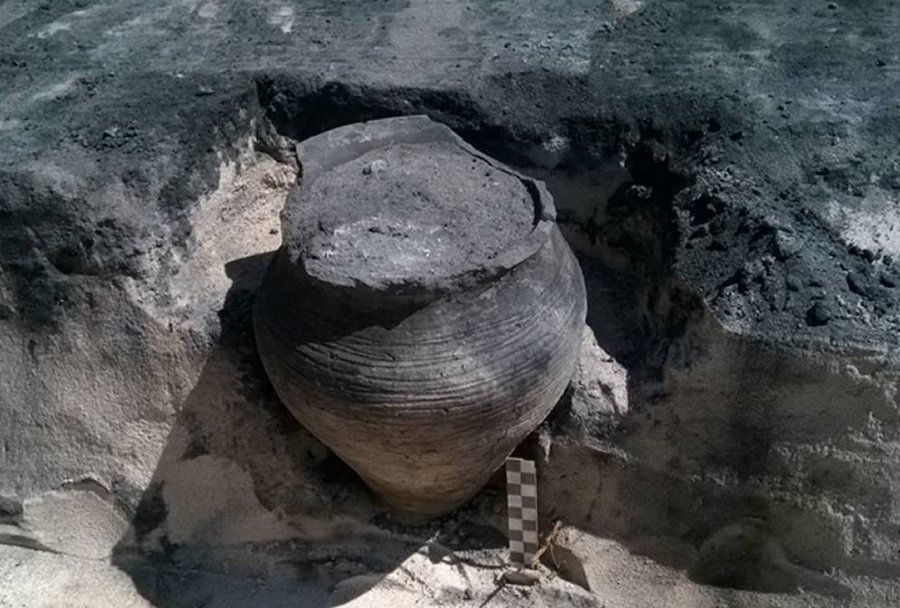
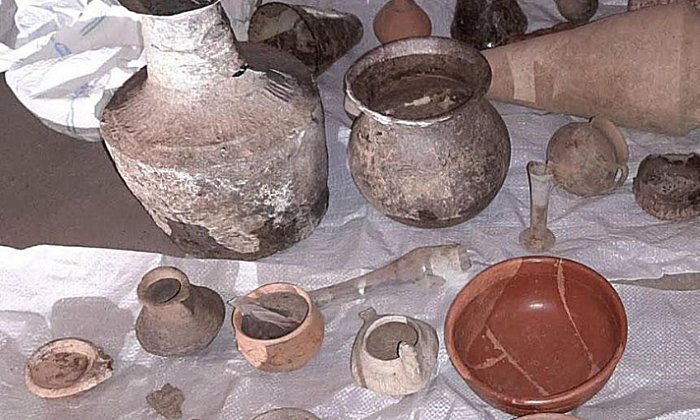
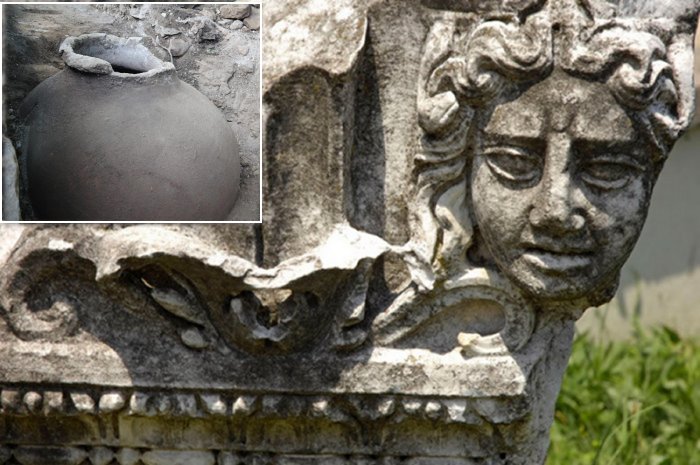
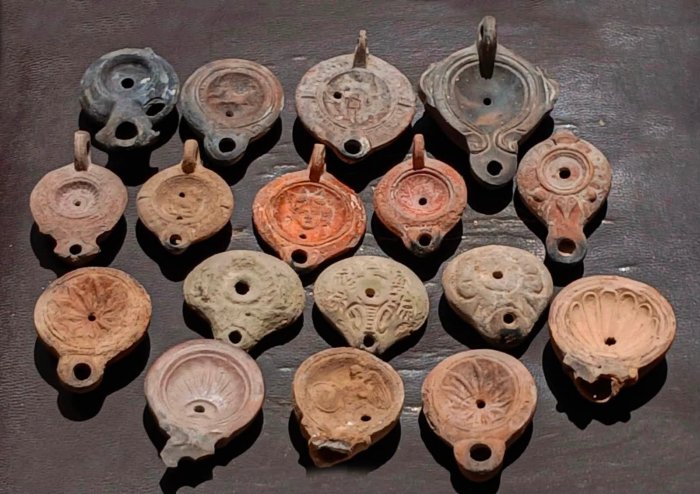
Archaeologists found many artifacts, including complete and nearly complete pottery vessels, amphorae, oil lamps, plates, limestone altars, basins, and parts of the tombs’ architecture.
Credit: Ministry of Tourism and Antiquities
Hisham Hussein, Head of the Central Administration for Lower Egypt Antiquities, said that one important find was a limestone offering altar carved to resemble an ancient Egyptian false door, a key part of traditional funerary beliefs.
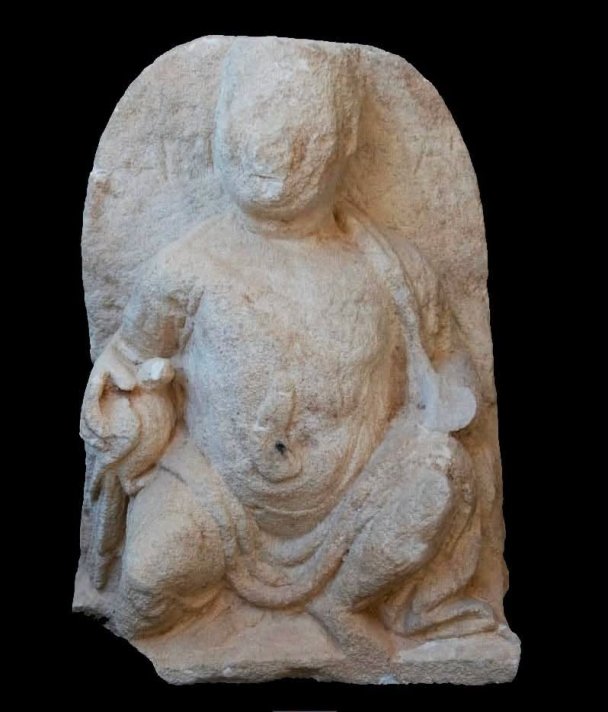
The team also found an unfinished marble statue believed to depict the goddess Aphrodite, a limestone funerary stele depicting a seated man holding a bird, and several glass tear bottles, often linked to ancient burial customs.
Credit: Ministry of Tourism and Antiquities
Mission director Iman Abdel Khalek said that excavators also found a 2.5-meter granite sarcophagus with its original lid still sealed. The human bones inside are now being studied.
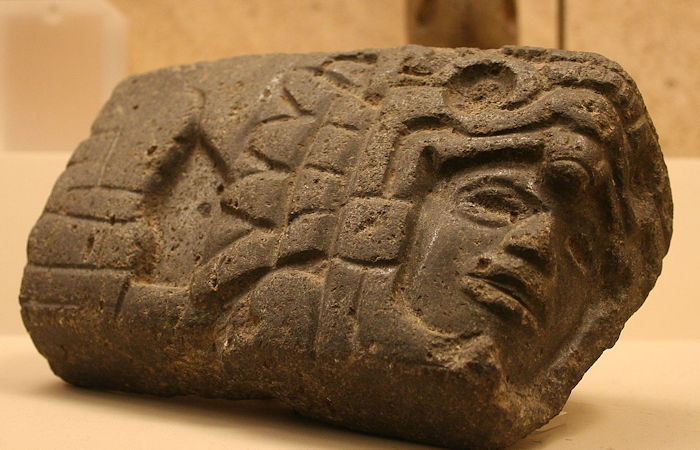
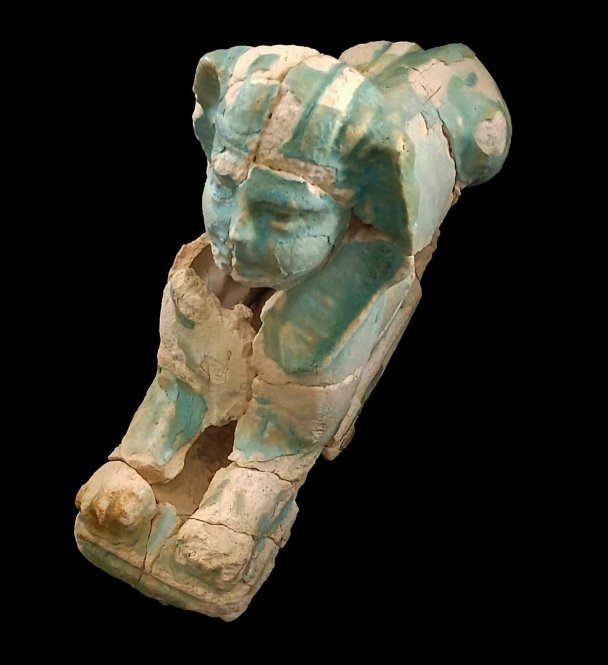
Near the sarcophagus, archaeologists found pieces of a plaster sphinx statue. This find shows how Egyptian religious and artistic traditions continued in the city during the Hellenistic and Roman periods.
Credit: Ministry of Tourism and Antiquities
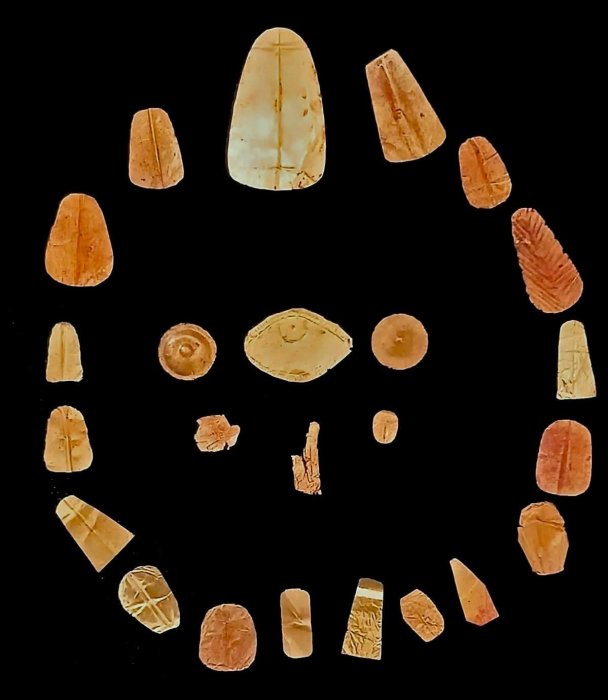
“One of the most remarkable discoveries was the recovery of 24 gold funerary pieces placed inside the mouths of several deceased,” said Eman Abdel Khalek, head of the mission and site director. She explained that these are known as “golden tongues,” a ritual believed to enable the deceased to speak in the afterlife. The team also uncovered a rare gold Eye of Horus amulet, a significant protective symbol in ancient Egyptian belief.
Credit: Ministry of Tourism and Antiquities
Located around 100 kilometers west of Alexandria, Marina El Alamein is widely believed to be the ancient city of Leukaspis, mentioned by the Greek geographer Strabo. The city flourished from the Hellenistic through the Byzantine periods, reaching its peak during the first three centuries AD.
See also: More Archaeology News
The archaeological site was discovered in 1986 during construction in the Marina area. Excavations have since uncovered one of Egypt’s best-preserved ancient coastal cities, with a planned street network, residential neighborhoods, public buildings, a harbor, commercial districts, and extensive cemeteries that reflect the region’s cultural diversity during the Hellenistic and Roman periods.
These recent discoveries further enhance our understanding of the city’s history and support ongoing efforts to preserve the site and develop it as a leading archaeological and cultural tourism destination in Egypt.
Source: Ministry of Tourism and Antiquities
Written by Conny Waters - AncientPages.com Staff Writer