
Norse Kingdom Of Dublin Was Founded By The Vikings In 839 A.D.
Ellen Lloyd - AncientPages.com - Dublin, the capital of Ireland was founded by the Vikings. Vikings were first spotted off the coast of Ireland in AD 792. In the 9th century, the Vikings invaded the region around Dublin and established the Norse Kingdom of Dublin. They founded a new town on the south bank of the Liffey was called Dubh Linn, which means black pool.

To the Vikings, the area around Dublin was in many ways an ideal place. It offered access to the deep waters and shelter from the often stormy Northern seas. The Irish climate was relatively mild and there was access to vast forests- a valuable resource with which to repair their sturdy ships. The Kingdom of Dublin was established in 839, and Viking Chief Turgesius was its first king.
The new town of Dublin was fortified with a ditch and an earth rampart with a wooden palisade on top. Dublin became the earliest, largest and most enduring Norse kingdom in all of Europe. The huge number of Viking artifacts and burials discovered in Dublin attest to this.
In the late 11th stone walls were built around Dublin. The Vikings also erected an artificial hill where the men of Dublin met to make laws and discuss policy.
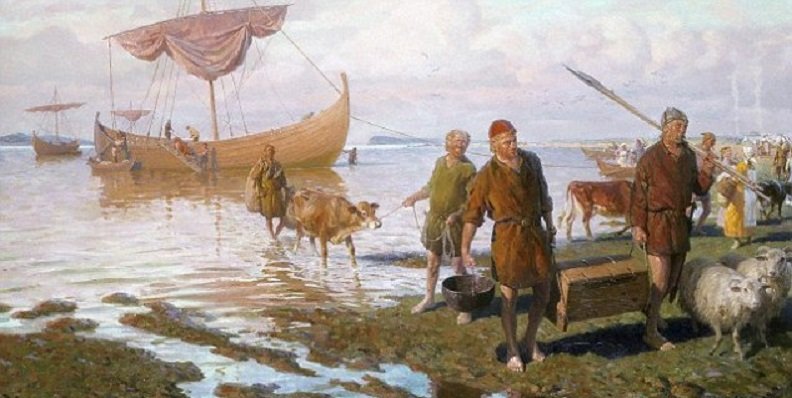
The Scandinavian came to Ireland not only as savage Viking raiders; but as settlers, founding towns and trade centers along the coast and inland waterways.
Despite stone fortifications, Dublin town was sacked many times over the next two centuries but the town always recovered. There were many wars between the Vikings and Irishmen and the living conditions in Dublin were poor.
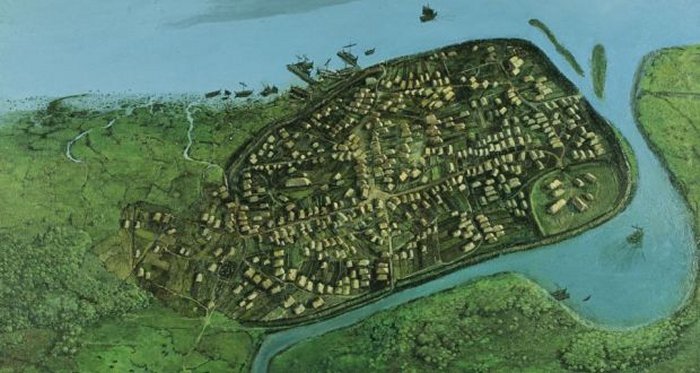
1014: Dublin 1,000 years ago, based on research by Dr Patrick Wallace
In time, Dublin grew to be the largest and most important town in Ireland. By the 11th Century, Dublin prospered, mainly due to close trading links with the English towns of Chester and Bristol. It may have had a population of 4,000 and in those days was considered a large city. The languages spoken in Dublin were Old Norse and Middle Irish.
The Kingdom of Dublin came to an end in 1171 when the Normans arrived. The Normans faced these Hiberno-Norse kingdoms in Ireland and gradually society began to evolve into what is now known as Norman Ireland.
Written By Ellen Lloyd - AncientPages.com
Expand for references
More From Ancient Pages
-
 Osiris: Enigmatic And Powerful God In Ancient Egypt
-
 Search For Noah’s Ark Continues – The ‘Inside Mount Ararat’ Research Project
-
 Skull And Jaw Of Giant Bear Of The Late Pleistocene Found In Buenos Aires
-
 Rare Phoenician Necropolis Discovered In Andalucia, Spain Is Extraordinary, Scientists Say
-
 Deeper Look Into Chinese Swords Throughout The History Of The Dynasties
-
 Hidden Prophecies Inside The Great Pyramid Of Giza Discovered By Scientists
-
 Impressive Ruins Of 13th Century Pagoda Remains Discovered At Nara’s Todaiji Temple, Japan
-
 Mystery Of Giant Gogmagog’s Hidden Treasure Beneath Castell Dinas Bran
-
 A Scientist’s Powerful Dream Revealed An Extraordinary Archaeological Discovery
-
 Rare Mammoth Ivory Tool Offers Evidence Of Ropemaking In Central Europe More Than 35,000 Years Ago
-
 Rome’s Most Wanted Enemy – Poison King Mithradates Murdered 80,000 Roman Civilians
-
 Remains at Crenshaw Site Are Local, Ancestors Of Caddo – New Study
-
 On This Day In History: Ferdinand Magellan Reached Pacific And South American Strait – On Nov 28, 1520
-
 What Routes Did Homo Sapiens Take On His Way From Africa To Europe And Asia? Out Of Africa Path Examined
-
 Bizarre And Unexplained Phenomenon That Defied The Laws Of Nature
-
 On This Day In History: Peter The Great Defeats Charles XII Of Sweden At The Battle Of Poltava – On June 28, 1709
-
 380-Million-Year-Old Heart – The Oldest Ever Found Sheds New Light On Evolution Of Human Bodies
-
 Arrowhead Made Of Meteoritic Iron From The Late Bronze Age Settlement Of Mörigen, Switzerland – Examined
-
 Enigmatic Voynich Manuscript: Computer Scientists From Alberta Use AI To Decipher Document
-
 Unique Seal Stamp That Belonged To Elisabeth Buggesdatter, One Of The Most Powerful Women In Denmark – Discovered

