
Ggantija Double Temple On Malta Is Older Than Stonehenge And Great Pyramid Of Giza
A. Sutherland - AncientPages.com - Early Maltese temples were egg-shaped and resembled the womb of the goddess of fertility.
Later, from 4,000 to 3,000 BC, the Maltese built such temples with four or five semicircular projections off the temple's main room, each serving different religious purposes.
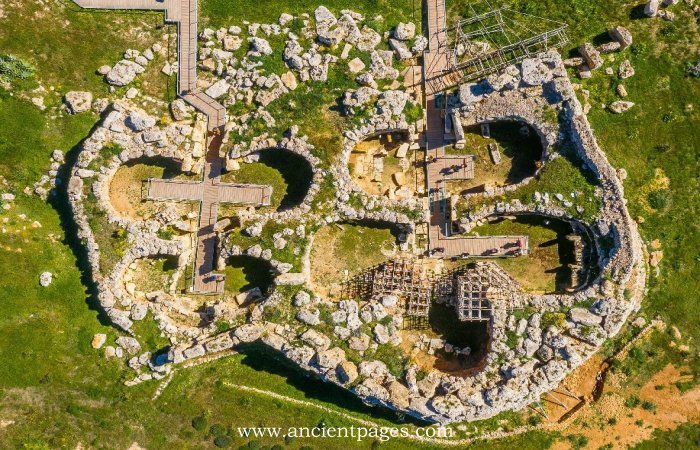
These shapes were intentionally created to give an impression of the goddess's body. The Neolithic Maltese expressed their religious beliefs by creating numerous megalithic temple complexes, such as Ggantija, Mnajdra, Hagar Qim, and Tarxien.
The same prehistoric builders constructed the impressive Hal Saflieni Hypogeum, containing several levels and chambers.

This is a preview of our premium article available only to members of Ancient Pages.
Become a member to read more - Click here
If you are already a member and have logged in to your account, you can access the article here

See also:
Mysterious Lost Kingdom Of Urartu And Its Enigmatic History
Anartes: Forgotten Celtic Tribe And The Hercynian Forest With Strange Animals
More From Ancient Pages
-
 Secrets Of A Lake That Could Re-Write Ancient History Of America – Myths And Gods Reveal A Complex Story – Part 1
-
 Strange Ancient Artifact Found In New Jersey May Be Evidence Of A Long-Lost Advanced Civilization
-
 The Norns – Shapers Of Destiny Who Recorded Days In A Person’s Life In Norse Mythology
-
 Unicorns In Southern Africa: The Fascinating Story Behind One-Horned Creatures In Rock Art
-
 Lady Midday – ‘Poludnica’- An Evil, Elusive Female Field-Spirit In Slavic Beliefs That Comes To Kill At Noon
-
 Mabon Festival And The Autumn Equinox Celebrated By Pagans
-
 Remains Of 3,400-Year-Old Canaanite Citadel Unearthed In Nahariya, Western Galilee
-
 Ship-Shaped Burial Of Tjelvar – Legendary First Man Who Brought Fire To Gotland
-
 Mystery Of The Lost Continent Destroyed By An Ancient Cataclysm – Wars Between The ‘Yellow Men And Black’ Men – Part 1
-
 Windover Pond – Remarkable 8,000-Year-Old Underwater Cemetery In North America
-
 The First ‘Viking’ Was A Bronze Age Man
-
 Mysterious Ancient European Cloaked Individuals – Who Were These Perplexing Beings?
-
 Mysterious Mustatils- Giant 7,000-Year-Old Stone Monuments In Saudi Arabia Baffle Scientists
-
 Ancient City Of Babylon Finally Declared A World Heritage Site By UNESCO
-
 Hogmanay: Scotland’s New Year Celebration Inherited From The Vikings
-
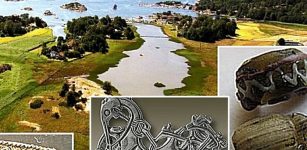 Kaupang – Flourishing Viking Trade Hub And Transit Port For North Sea Trade
-
 Mysterious Vanishings Around The Azores And The Riddle Of The ‘Cosmic Brain’ Influence
-
 Ancient Mystery Of Italy’s Long-Lost Civilization That Pre-Dates The Ancient Roman Empire And Other Great Old Cultures
-
 Dramatic Life Story Of Queen Marie Antoinette Executed By Guillotine During The French Revolution
-
 Locations Of 11 Lost Ancient Cities Revealed On 4,000-Year-Old Artifacts

