
People With Neanderthals’ Pain-Related Gene May Suffer More On A Daily Basis
Conny Waters - AncientPages.com - With the help of the Neanderthal genomes of high quality that are available for studies, researchers can now identify genetic variants that were present in many or all Neanderthals.
By using data from a huge population study in the UK, researchers show that people in the UK who inherited the Neanderthal variant of the ion channel experience more pain.
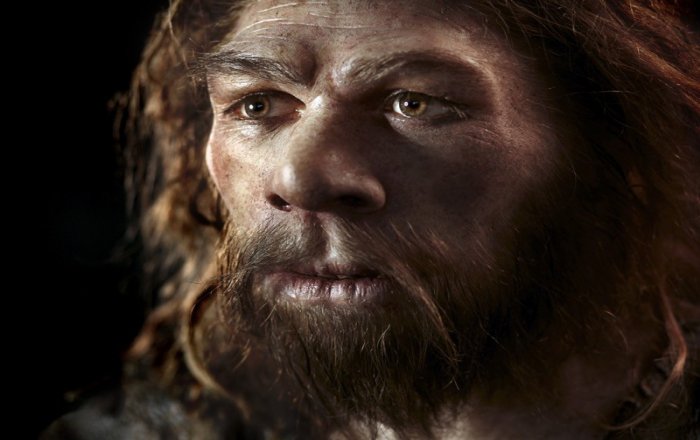
Some people, especially from central and south America but also in Europe, have inherited this pain-related gene that initiates the sensation of pain.
"The biggest factor for how much pain people report is their age. But carrying the Neanderthal variant of the ion channel makes you experience more pain similar to if you were eight years older," says lead author Hugo Zeberg, a researcher at the Max Planck Institute for Evolutionary Anthropology and Karolinska Institutet.
"The Neanderthal variant of the ion channel carries three amino acid differences to the common, 'modern' variant", explains Zeberg.
"While single amino acid substitutions do not affect the function of the ion channel, the full Neanderthal variant carrying three amino acid substitutions leads to heightened pain sensitivity in present-day people."
On a molecular level, the Neanderthal ion channel is more easily activated which may explain why people who inherited it have a lowered pain threshold.
"Whether Neandertals experienced more pain is difficult to say because pain is also modulated both in the spinal cord and in the brain", says Svante Pääbo.
"But this work shows that their threshold for initiating pain impulses was lower than in most present-day humans."
Nature writes that 'it is unclear whether the mutations evolved because they were beneficial. Neanderthal populations were small and had low genetic diversity — conditions that can help harmful mutations linger. But Pääbo says the change “smells” like a product of natural selection. He plans to sequence the genomes of around 100 Neanderthals, which could help provide answers.
In any case, “pain is something adaptive”, points out Zeberg. “It’s not specifically bad to feel pain.”
Written by Conny Waters - AncientPages.com Staff Writer
More From Ancient Pages
-
 On This Day In History: Declaration Of Arbroath – The Scots Reaffirm Their Independence – On Apr 6, 1320
-
 Peculiar Millennia-Old Genetic Mystery Traced To One Individual From The Black Sea Solved
-
 Two-Million-Year-Old DNA Opens A ‘Game-Changing’ New Chapter In The History Of Evolution
-
 Rare Six-Foot-Tall Female Statue Accidentally Unearthed By Mexican Farmers
-
 Ancient Roman Statues of Goddess Venus And Other Precious Artifacts Found In A Trash Pit In France
-
 Easter Island’s Statues Reveal Bodies Covered With Unknown Ancient Petroglyphs
-
 Ancient Aqueduct System Discovered In Boroujerd, Lorestan
-
 Migration Of Early Humans Out Of Africa Began Thousands Of Years Earlier Than Previously Thought
-
 Mysterious MUC19 Gene – DNA From Denisovans Helped Ancient People Survive In The Americas
-
 Neanderthals In Swabian Jura Used Complex Tool-Making Techniques 45,000 Years Ago
-
 Archaeological Mystery Of Laos Megalithic Jars Continues – New Attempt To Solve The Riddle
-
 We Dated A Sacred Aboriginal Women’s Site Used for Birthing Ceremonies And Discovered 7,000 Years Of Tool Making
-
 World’s Oldest Tattoo Tools Discovered In Tennessee, North America
-
 Abric Romaní Cave: New evidence indicates Neanderthals used to heat water some 60,000 years ago
-
 Ancient Knowledge About Horse Taming Is Rewriting Our Picture Of The Past
-
 Enigmatic Voynich Manuscript: Computer Scientists From Alberta Use AI To Decipher Document
-
 ‘Spectacular’ New Find: Roman Military Camps In Desert Found By Archaeologists Using Google Earth
-
 Archaeologists Survey Bronze Age Konar Sandal Site In Southeast Iran
-
 Mysterious Footprints In Tanzania Made By Early Humans Not Bears
-
 How Ancient Seascapes Shaped The Genetic Structure Of European Populations

