
Fascinating Legend Of The Seven Sleepers Of Ephesus
Ellen Lloyd - AncientPages.com - In ancient times, the seven men were sentenced to death and sent into a certain cave.
The cave was sealed off, and the incident was forgotten. A farmer came across the cave some hundred years later, and it was re-opened. What he found inside was shocking…
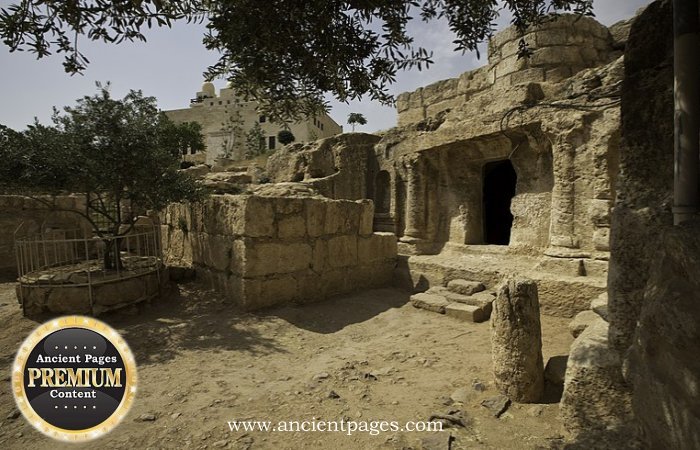
Ancient Legends About Caves Leading To Other Worlds
This beautiful planet has unusual mountains, caves, and rocks shrouded in mystery. Folklore from around the world and throughout history speaks of certain caves and mountains as portals to the Otherworld.
Ancient people believed some caves and mountains were entrances leading to a mysterious subterranean kingdom that, according to many myths and legends, is home to a thousand-year-old civilization that escaped a cosmic catastrophe.

This is a preview of our premium article available only to members of Ancient Pages.
Become a member to read more - Click here
If you are already a member and have logged in to your account, you can access the article here

See also:
A King’s Discovery Of A Mysterious Underground World
Teens Make Incredible Discovery In An Ancient Florida Cave
Unexplained Ancient Case Of Missing Time And Mysterious Disappearance Into An Underground World
More From Ancient Pages
-
 Pre-Columbian Americans Mastered Electricity – Ancient Inscription And Document Reveal Proof Of Advanced Ancient Technology
-
 Ancient Manuscript In Museum Reveals Discovery Of Objects Unknown To Modern Science – Coptic Secrets And Guardians Of Treasures – Part 2
-
 Controversial Theory Suggests Atlantis Was In Scandinavia – Surprising Evidence Presented By Ancient Writer
-
 Home Of The Gods – The Return Of The Gods – Part 3
-
 Biblical Mysteries – Foods And Drinks That Gave Extraordinary Powers, Knowledge And Immortality
-
 Strange Mist, Unexplained Vanishings And Other Bizarre Incidents – What Is The Connection?
-
 Dangerous Magnetic Anomaly And Unexplained Events In Mysterious And Dark Valley Trouble Scientists – Why Must The Stone Gate Not Be Crossed?
-
 Mysterious Ancient Rock Carvings May Be Linked To The Native American Legend Of The False Face
-
 Ancient Mystery Of The Village Where All Residents Vanished Overnight
-
 Tazza Farnese (Farnese Cup) – Mysterious, Never Explained And Debated Ancient Gemstone
-
 Hades ‘The Unseen’ God: The One Who Received The Helmet From The Cyclops
-
 Unusual Ancient Roman Miniature Spear Puzzles Archaeologists – A Unique Find In Britain
-
 Mysterious Kallerup’s Double-Headed Figurine – Evidence Of Unknown Norse God Or Worship Of Roman God Janus In Ancient Scandinavia?
-
 Ancient Germanic Ghost Warriors – Romans’ Greatest Military Defeat And Nightmare
-
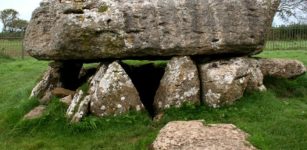 Din Lligwy: Prehistoric Celtic Settlement Of Anglesey, Wales
-
 Legend Of Brigadoon: Mythical Village Where Time Stands Still
-
 King Geirrod Betrayed His Brother Agnar And Sent Him To Die But Justice Finally Prevailed
-
 Anne Neville – The Dramatical Story Of The White Queen
-
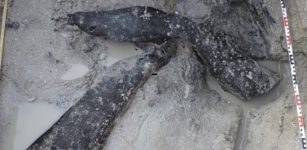 Discovery Of Half-Million-Year-Old Wooden Structure Shows We’re Wrong To Underestimate Our Ancient Relatives
-
 Secrets Of The Chephren Pyramid And Its Unknown Mysterious Force

