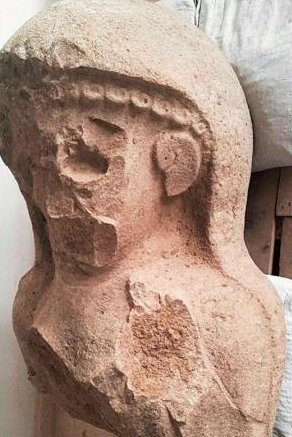
AncientPages.com - A beautifully carved head and upper torso of a female figure have been discovered at the archaeological site of Tayinat in southeast Turkey near the Syrian border.
The remains are made of basalt and measure 1.1 meter long and .7 meters wide. It suggests the full figure of the statue would have been four to five meters high.
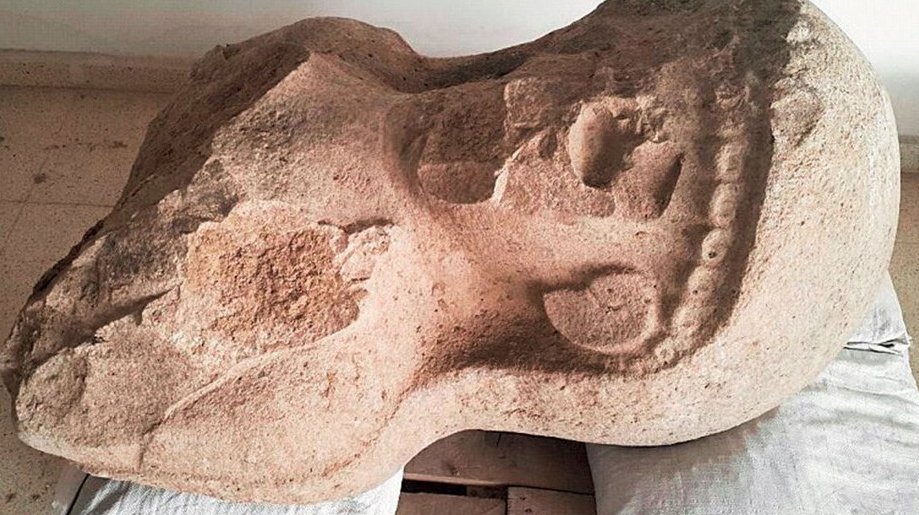
The preserved parts of the statue are largely intact, although the face and chest appear to have been intentionally - possibly ritually - defaced in antiquity.
The lower body is missing. The statue was found within a monumental gate complex that would have provided access to the upper citadel of Kunulua, later Tayinat, which was the capital of the Iron Age Neo-Hittite Kingdom of Patina (ca. 1000-738 BC).
The site is approximately 75 km west of the Syrian city of Aleppo.
"Her striking features include a ring of curls that protrude from beneath a shawl that covers her head, shoulders and back," says Timothy Harrison, professor of Near Eastern Archaeology at the University of Toronto (U of T) and director of U of T's Tayinat Archaeological Project (TAP).
Archaeological works have been conducted in the area since 1999.
Harrison explained that "the statue was found face down in a thick bed of basalt stone chips that included shard-like fragments of her eyes, nose and face, but also fragments of sculptures previously found elsewhere within the gate area, including the head of the Neo-Hittite King Suppiluliuma that was discovered in 2012."
“The recovery of these tiny fragments will make it possible to restore much if not all of the face and upper body of the original figure.
That parts of these monumental sculptures have been found deposited together, suggests there may have been an elaborate process of interment or decommissioning as part of their destruction," according to Harrison.
The identity of the female figure has not yet been determined, but the archaeological team has some ideas. However, it is possible that she is a representation of Kubaba, divine mother of the gods of ancient Anatolia.
“There are stylistic and iconographic hints that the statue represents a human figure, possibly the wife of King Suppiluliuma, or even more intriguingly, a woman named Kupapiyas, who was the wife -- or possibly mother -- of Taita, the dynastic founder of ancient Tayinat."
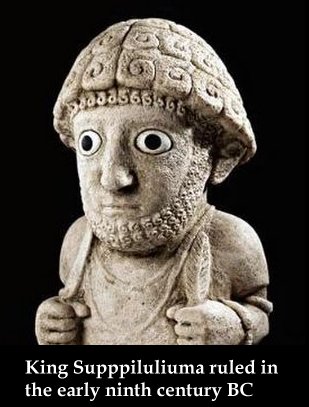
King Supppiluliuma ruled in the early ninth century BC, was named after a famed Bronze Age Hittite warrior and statesman who challenged the then-dominant Egyptian Empire for control of the lands between the Mediterranean and the Euphrates River.
Two inscribed monuments carved in Hieroglyphic Luwian, the ancient language of the Hittites, found near Hama in Syria more than 50 years ago, provide a description of Kupapiyas, the only named female known from this region in the early part of the first millennium BC.
She lived for more than 100 years, and appears to have been a prominent matriarchal figure, though no memory of her is preserved in any historical sources for the first millennium BC.
"The discovery of this statue raises the possibility that women played a more prominent role in the political and religious lives of these early Iron Age communities than the existing historical record might suggest," Harrison said.
The statue also provides valuable insight into the innovative character and cultural sophistication of the indigenous Iron Age cultures that emerged in the eastern Mediterranean following the collapse of the great civilized powers of the Bronze Age at the end of second millennium BC.
AncientPages.com
References: