
Ancient Ruins Of Kilwa Kisiwani And Songo Mnara: Great African Ports Long Abandoned And Forgotten
A. Sutherland - AncientPages.com - In ancient times, Kilwa Kisiwani and Songo Mnar were two great African ports located on two islands close to each other just off the Tanzanian coast about 300km south of Dar es Salaam.
From the 13th to the 16th century, the merchants of Kilwa dealt in gold, silver, pearls, perfumes, Arabian crockery, Persian earthenware and Chinese porcelain.
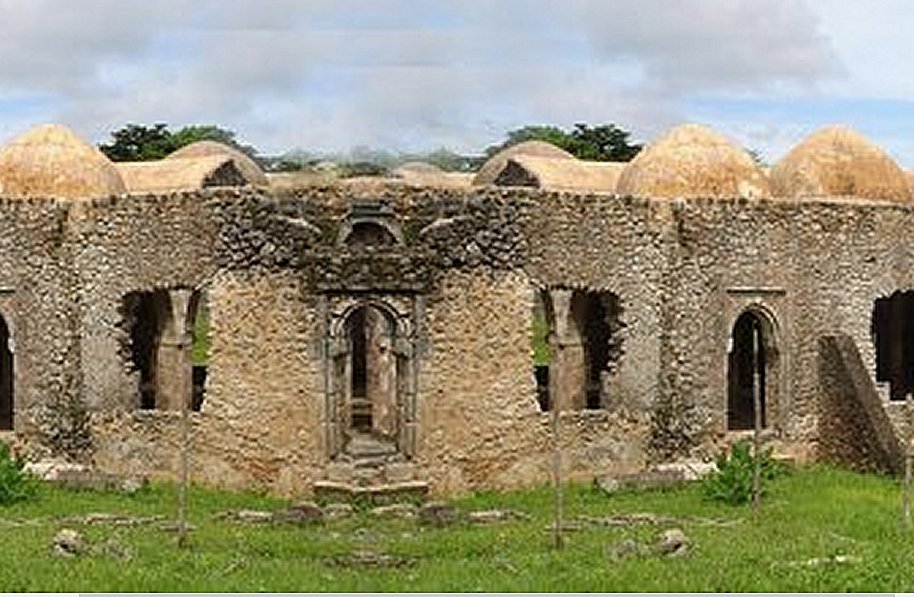
Kilwa Kisiwani ruins. Image credit: www.tripadvisor.ca
Historical documents such as the Kilwa Chronicle report that the city began to thrive under the founding Shirazi dynasty of sultans.
The Kilwa Chronicle is the name of a collected genealogy of the sultans who ruled the Swahili culture from Kilwa. Two texts, one in Arabic and one in Portuguese, were written in the early 1500s, and together they provide a glimpse into the history of the Swahili coast, with particular emphasis on that of Kilwa Kisiwani and its sultans of the Shirazi dynasty.
According to local historians, the island was settled in the 11th century by Ali bin Al-Hasan of Persia, who ruled over the island for 40 years. The dynasty he founded was credited with having established Kilwa as a significant trade centre. Over the next two centuries, various successors ruled and were overthrown, but they built impressive coral-stone houses and lavish mosques – the remains of which can still be seen today.
In 1331-1332, the great traveler, Ibn Battouta made a stop here and described Kilwa as one of the most beautiful cities of the world.

Capture of Kilwa. A 1572 depiction of the city of Kilwa from Georg Braun and Frans Hogenberg's atlas Civitates orbis terrarum. Image via wikipedia.
The prosperity of the port city remained intact until the last decades of the 14th century, when turmoil over the ravages of the Black Death took its toll on international trade.
In 1505, the Portuguese took over the coastline and assumed control of Kilwa Kisiwani. They killed the majority of the residents and replaced the Arab palaces with forts and the decline of the two islands began. Today, a small number of local fishermen live on the island, but for the most part it is an abandoned city filled with crumbling mosques, remnants of once glorious palaces, and ancient tombs.
See also:
Africa’s Secrets: Unsolved Mystery Of Gedi Ruins Protected By The ‘Old Ones’ – Why Did People Leave?
Great Ruins of Zimbabwe: Unsolved Secrets Of Bizarre Buildings Without Windows And Doors
The archaeological excavations at Kilwa recovered the most Chinese goods of any Swahili town, including a profusion of Chinese coins.
Nevertheless, the remains of Kilwa Kisiwani cover much of the island with many parts of the city still unexcavated.

Kilwa Kisiwani. Image credit: www.tripadvisor.ca
The ruins of Songo Mnara, at the northern end of the island, consist of the remains of five mosques, a palace complex, and some thirty-three domestic dwellings constructed of coral stones and wood within enclosing walls.
The islands of Kilwa Kisiwani and Songo Mnara bear exceptional testimony to the expansion of Swahili coastal culture, the lslamisation of East Africa and the extraordinarily extensive and prosperous Indian Ocean trade from the medieval period up to the modern era.
We still know extremely little about these two ancient ports that were most important of about thirty-five Swahili Coast trading communities on the Indian Ocean during the 11th through 16th centuries AD.
Both Kilwa Kisiwani and Songo Mnara - NESCO World Heritage sites since 1981 - were magnificent ancient African cities destroyed by the Europeans.
Written by – A. Sutherland - AncientPages.com Senior Staff Writer
Copyright © AncientPages.com All rights reserved. This material may not be published, broadcast, rewritten or redistributed in whole or part without the express written permission of AncientPages.com
More From Ancient Pages
-
 Kindred Spirits: Why Did The Irish Build A Monument In Honor Of Native Americans?
-
 DNA Reveals Secrets Of The Phoenician-Punic Civilization’s Success – Ancient Mediterranean Societies Were Cosmopolitan
-
 Ancient DNA Has Rewritten Early Japanese History
-
 ‘Euros Of Prehistory’ Were Currency Of People From The Early Bronze Age Of Central Europe
-
 New Clues About The Fascinating Ancient Roman City Falerii Novi Revealed By Scientists
-
 Mystery Surrounds Newly Discovered Bronze Age Burial In Southwest England
-
 Orthodox Church In Black Sea Region Looted By Treasure Hunters
-
 Stone Age Friendship Ornaments Examined By Scientists
-
 Is This The World’s Oldest Joke?
-
 DNA Says You’re Related To A Viking, A Medieval German Jew Or A 1700s Enslaved African? What A Genetic Match Really Means
-
 This Lunar Year Will Be The Year Of The Rabbit Or The Year Of The Cat, Depending On Where You Live
-
 ‘Sesselfelsgrotte Cave’ – Innovative Neanderthals Adjusted To Climate Change By Creating More Complex Tools
-
 Vikings Brewed Beer With Heated Stones – Old Tradition Popular In Germany, Finland And Baltic States
-
 Humans Were Apex Predators For Two Million Years
-
 Mediterranean Sea Was Hotter 2,000 Years Ago And Contributed To The Fall Of The Roman Empire
-
 Fisherman Pulls A Viking Sword From The River Cherwell, Oxford, UK
-
 Taweret – Powerful Egyptian Hippopotamus ‘Household Goddess’ Guarded Childbirth, House, Sleep And Dispelled Evil Forces
-
 First Peoples’ Early Migration To Australia – Influenced By Evolving Landscapes
-
 Prehistoric Artifacts Out Of Nowhere -Their Origin And Purpose Are Totally Unknown
-
 Unexpected Discovery Of Huge Iron Age Roundhouse At Dinas Dinlle, Wales

