
Ancient Nessebar – 3,000-Year-Old History Of Many Civilizations
AncientPages.com - Ancient Nessebar, located at a peninsula in the Black Sea, has been known since ancient times.
In this more than 3,000-year-old city, many civilizations left their traces and its history is fascinating. From the beginning, Nessebar was a Thracian settlement, known as Menebria or Mesembria and founded in the 2nd millennium BC.
Archaeologists have unearthed remains of dwellings, stone anchors and a variety of pottery dated to Late Bronze Age (1500 - 1200 BC), as well as from the Early Iron Age (1200-700 BC). In addition, a fortress wall and gateway, unearthed not long ago prove that the first settlement on the Nesssebar Peninsula eventually became a Thracian city.

Nessebar ancient town wall. Photo by Del Weliver
Greek geographer Strabo (c. 63 BC - AD 24) explains the origin of the city's name and writes as follows:
'Then [comes] Mesembria, a colony of the Megarians, formerly called Menebria (that is, `city of [Thracian king] Menas', because the name of its founder was Menas, while `bria' is the word for 'city' in the Thracian language)."
The actual meaning of the name and the memory of the legendary ruler of the seas, the Thracian king Menas (or 'Melsas'), have been preserved for centuries by the indigenous people and the Greek colonists who settled in this region and the city became a Greek colony at the beginning of the 6th century BC.
Nessebar was known as Mesembria-Mesemvria when the Christian age began and later during the Roman and Byzantine Empires. It was influenced by the culture of the ancient Aegean civilization made up of different peoples, legendary figures and memorable historical events.
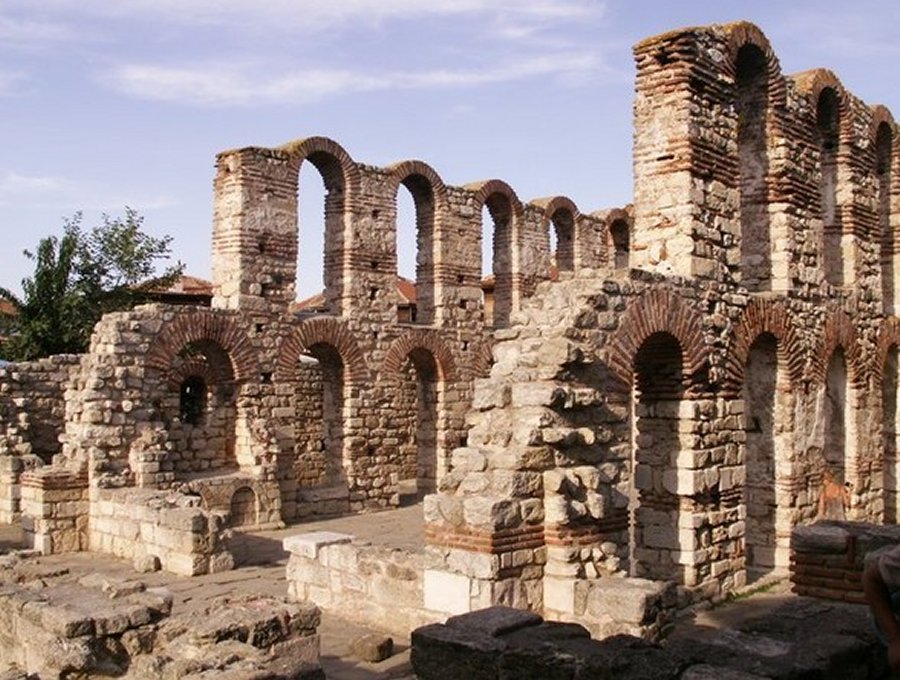
The ruins of Nessebar date back to the Hellenistic period and they include a temple of Apollo,an agora and the remains of the acropolis. Photo: dnd travel
The ruins of Nessebar date back to the Hellenistic period and they include a temple of Apollo, an agora and the remains of the acropolis. Also, a wall, which formed part of the Greek fortifications, can still be seen on the north side of the peninsula.
Bronze and silver coins were minted in this flourishing city since the 5th century BC and gold coins since the 3rd century BC. It was also a thriving port in Greek and Roman times, but its importance as a port for ships sailing between Constantinople and the Danube, became obvious, first, during the Byzantine era.
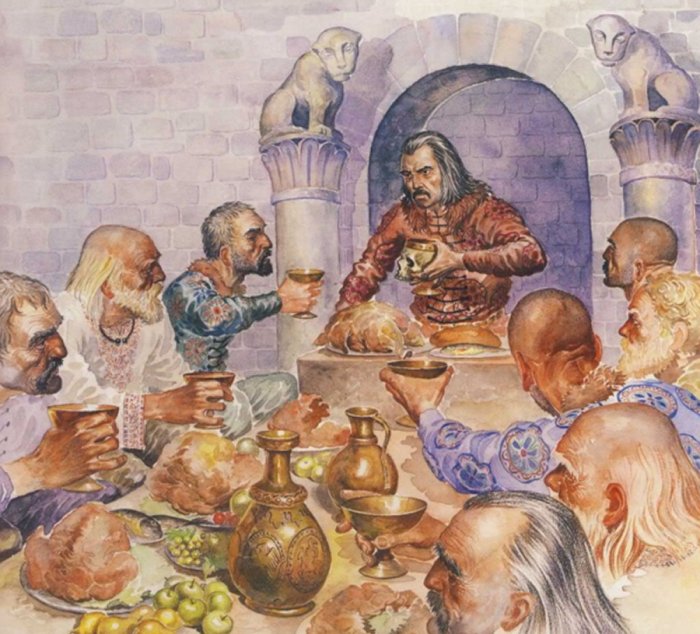
Nessebar was captured and incorporated in the lands of the First Bulgarian Empire in 812 by Khan Krum after a two week siege only to be surrendered back to Byzantium.
This privilege to mint the city’s own coinage was still preserved when Nessebar fell under Roman rule in 71 BC.
We learn from ancient records that Nessebar was one of the most important strongholds of the Byzantine Empire from the 5th century AD onwards.
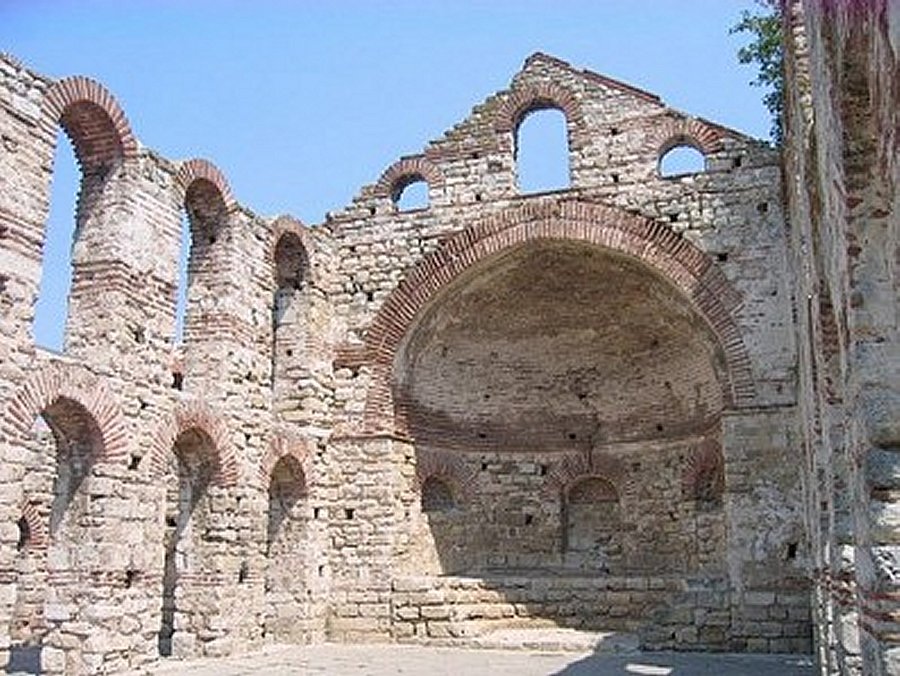
Nessebar was captured and incorporated in the lands of the First Bulgarian Empire in 812 by Khan Krum after a two week siege only to be surrendered back to Byzantium. Photo: https://www.flickr.com/people/24160703@N03/
Its history was very turbulent, because it was fought over by Byzantines and Bulgarians. It was passed from Byzantine to Bulgarian ownership several times throughout the Middle Ages.
In the 7th - 8th century, Nessebar was flourishing medieval city full of rich local merchants and precious works of art, fabrics, vessels and household objects.
The city was captured and incorporated in the lands of the First Bulgarian Empire in 812 by the invincible Bulgarian warlord, Tsar Khan Kroum (803-814) who conquered Nessebar (Mesemvria) in 812. This incident briefly threatened the security of the Byzantine Empire, but under the next leader the Bulgarian Tsar Ivan Alexander (1331-1371), the city began to prosper again.
Later, it was conquered by Crusaders led by Amadeus VI, Count of Savoy in 1366 and captured by the Turks in 1453, which contributed to Nessebar's decline, but still its architectural heritage miraculously remained and was even enriched.
This was very remarkable ancient city, which even in its dying days, it could still continue to thrive.
AncientPages.com
source: Pou-Nesebar-org
More From Ancient Pages
-
 1,700-Year-Old Moche Culture Ceremonial Banquet Hall Discovered In Peru
-
 First Complete Roman Funerary Bed Found In Britain
-
 Teotihuacan’s Puzzling Red Glyphs Could Be Unknown Ancient Writing
-
 Mysterious 2,000-Year-Old Disco Colgante – Unknown High-Tech Device, Representation Of A Spiral Galaxy Or Something Else?
-
 Europe’s Oldest Time Capsule Discovered Inside A Statue Of Jesus In Spain?
-
 Facial Reconstruction Of Chinese Emperor Wu Who Lived 1,500 Years Ago
-
 3,000-Year-Old Stone Scarab Seal Depicting A Pharaoh Discovered In Israel
-
 Secrets About ‘Tennessee’s Ancient Egyptian Temple’ Revealed
-
 Mysterious Hyksos People Rose To Power In Ancient Egypt Through Marriage And Not Invasion – Researchers Say
-
 Unusual Medieval Picture Stone Found Under House In Klotzow, Germany
-
 Vikings’ Encounters With Peculiar White-Dressed Humanoids And Cave Dwellers In Unknown Lands Described In Norse Sagas
-
 Among Ancient Maya Cacao Was Used In Celebrations And Was Common To All People
-
 Bryggen Inscriptions Reveal Viking Runes Were Used As Modern SMS – Short Message Service In The Norse World Was Popular
-
 Mysterious Sleeping Beauty Of Loulan Mummy Is Still Perfectly Preserved After 3,800 Years!
-
 183-Million-Year-Old Fossils: Jurassic Marine World In A Farmer’s Field
-
 Hidden Details In Ancient Egyptian Tomb Paintings Revealed By Chemical Imaging
-
 Secrets Of Mysterious Bronze Age Hoard Found In Rosemarkie, Scotland Revealed
-
 Search For Noah’s Ark Continues – The ‘Inside Mount Ararat’ Research Project
-
 Completely Intact 2,000-Year-Old ‘Chocolatier Style’ Pot Discovered In Mexican Cave
-
 Slaves In The Aztec Empire Had Much Better Rights Than In Any Other Ancient Society

