Conny Waters - AncientPages.com - The Renaissance period that spanned between the 14th century and 17th centuries changed Europe in many ways. It was a remarkable time that inspired people to admire and appreciate the beauty of art, literature, architecture, sculptures, and music.
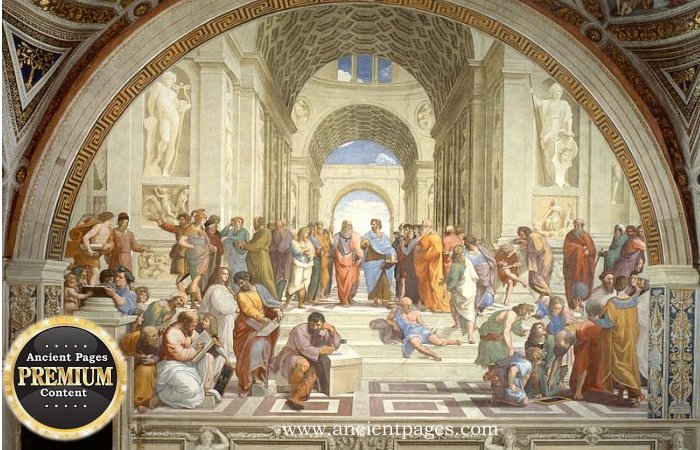
During the Renaissance, some of the world's greatest artistic and architectural masterpieces were created in Italian cities such as Florence and Padua.
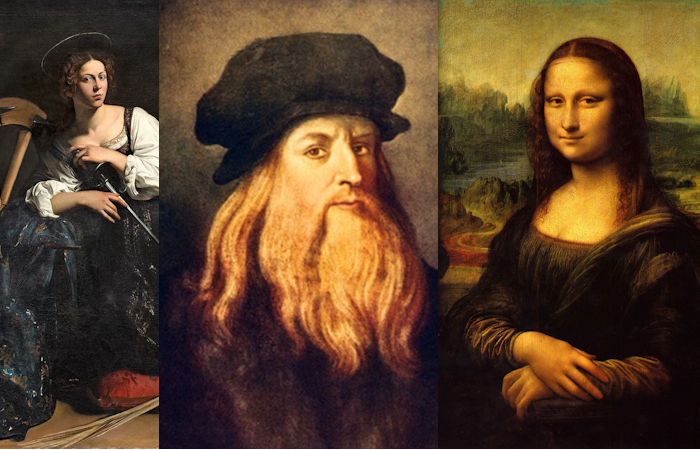
We associate the Renaissance with famous artists like Masaccio (1401 - 1428), Leonardo da Vinci (1452 - 1519), and Michelangelo (1475 - 1564), just to mention a few. The legacy of these Renaissance artists is still alive.
Instead of relying on religious symbols, many Renaissance artists focused on nature and people when they created startlingly realistic paintings and sculptures.
During the Renaissance, the Catholic Church was still very powerful, but with the emergence of new science, art, and technology, ordinary people started to question religious doctrines.

This is a preview of our premium article available only to members of Ancient Pages.
Become a member to read more - Click here
If you are already a member and have logged in to your account, you can access the article here