
Unveiling Of Pompeii’s Recreated Frescoed Bakery House Ceiling Adorned With Greek Myths
Conny Waters - AncientPages - Pompeii, located near modern-day Naples, was destroyed and buried by the eruption of Mount Vesuvius in 79 CE. Today, its legacy endures as efforts continue to preserve its history for future generations.
Archaeologists in Pompeii have recently unveiled a partially reconstructed frescoed ceiling in a banquet hall, depicting scenes from Greek mythology. The fresco centers on Dionysus and Ariadne. In Greek mythology, Ariadne, daughter of King Minos of Crete, is best known for helping Theseus escape the Minotaur and later being abandoned by him on Naxos, where Dionysus found and married her.
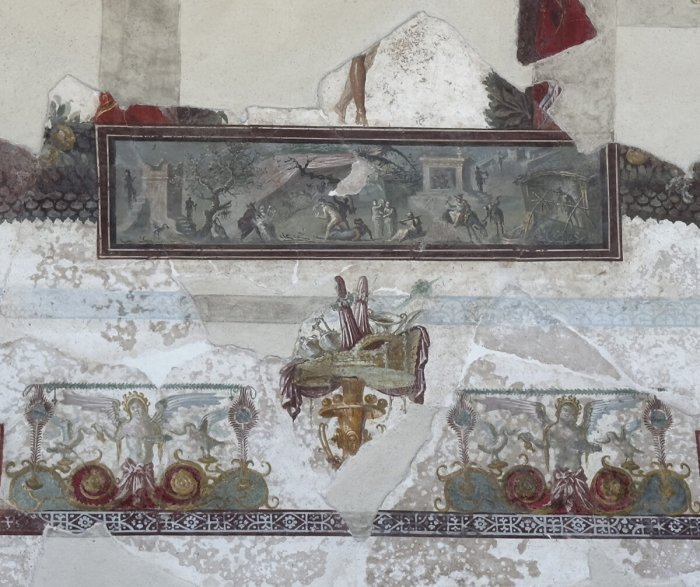
Part of the restored ceiling of the Bakery House on display at the Pompeii Archaeological Park. Credit: Parco Archeologico di Pompei
Ariadne and Dionysus had several notable children, including Oenopion, Staphylus, and Thoas. Dionysus placed her wedding diadem in the sky as the constellation Corona Borealis.
In a press statement, Pompeii Archaeological Park announced the use of an innovative technique to reconstruct the vaulted ceiling of a room in the House with Bakery in Regio IX, believed to have served as an upper-floor banquet hall.
Experts designed a curved support structure to position the fragments and replicate the vault's original shape.
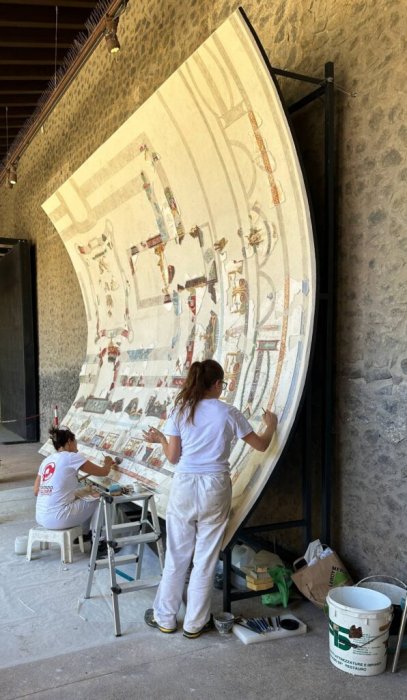
Credit: Parco Archeologico di Pompei
According to the park, the restoration has reconstructed over a quarter of the original ceiling, with provisions to add more sections as additional fresco fragments are uncovered and restored.
The ceiling's main theme is the hierogamy, or sacred union, of Dionysus and Ariadne. Although the central scene survives only in fragments, it was possible to reconstruct it by comparing it with other ancient works. The composition shows Dionysus lying on a chariot, facing Ariadne as she plays the harp, accompanied by an erote playing the cithara, with two musician centaurs drawing the chariot.
"Italy is a world leader in archaeological restoration, and Pompeii, with its team of restorers, plays a central role in that effort," Gabriel Zuchtriegel, director of the Pompeii excavations, said.
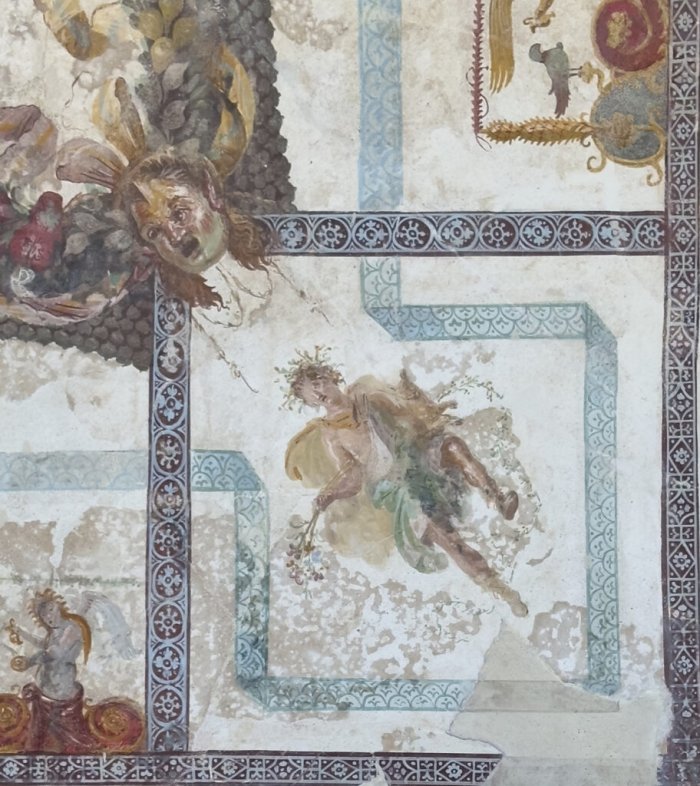
Credit: Parco Archeologico di Pompei
"That is why we are pleased to share the results of our conservation projects with the world, as they also provide opportunities for research and exchange."
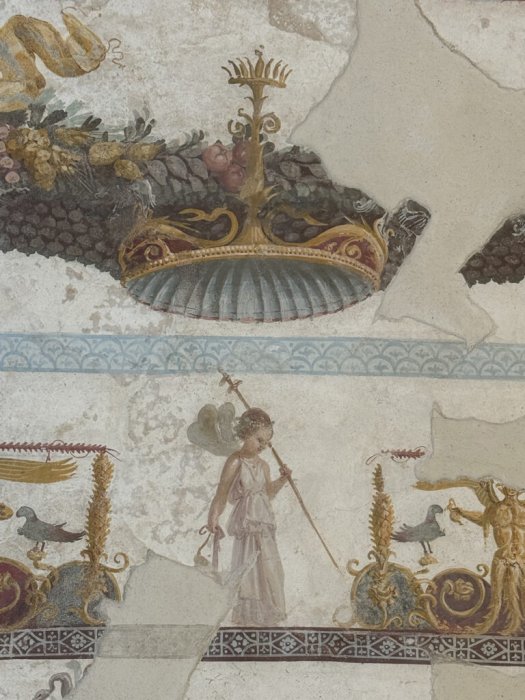
Credit: Parco Archeologico di Pompei
The fresco's recovery is part of ongoing studies on the Dionysian theme, which the Pompeii Archaeological Park has selected as the focus for its 2026 initiatives. Interest in this theme has grown following recent discoveries in the House of the Thiasos in Regio IX, where, between 2024 and 2025, one of the most significant megalographs was found depicting a procession dedicated to Dionysus.
See also: More Archaeology News
The second edition of "Esopop – Storie in Festival," titled "Ecstatic Pompeii," will also explore the mysteries of the Dionysian cult. Organized by the Pompeii Archaeological Park, the project will feature live theatrical performances at Vesuvian cultural sites every Friday and Saturday from August 28 to September 26, 2026, during evening hours.
The initiative seeks to enhance archaeological heritage through theater, fostering dialogue between research, discoveries, and contemporary cultural engagement.
Source: Pompeii Archaeological Park
Written by Conny Waters - AncientPages.com Staff Writer
More From Ancient Pages
-
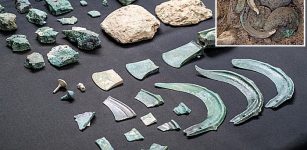 Unique 80 Bronze Age Artifacts Dated To Roman Campaign In The Alps In 15 BC – Discovered
-
 Hazelnuts -‘Time Capsule’ To Reconstruct Landscape Of Ancient Forests In Sweden
-
 DNA Reveals Early Maya Trace Their Roots To Unknown Ancient Immigrants Carrying Maize From The South
-
 Impressive Study Highlights Female-Led Migration Into Bronze Age Orkney And Wins Prestigious Award For 2023
-
 Mystery Of How Ancient Maya Accurately Predicted Solar Eclipses Solved
-
 Mississippi’s Mounds Built By The Indigenous People Are Incredibly Important Landforms – Scientists Say
-
 Historic Shipwreck Margaret A. Muir Found In Lake Michigan, Wisconsin
-
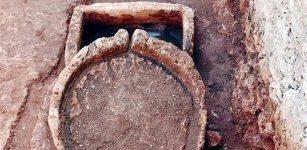 Oldest Olive Oil Press Facilities Owned By Mysterious Woman ‘Arete’ Unearthed In Antalya, Turkey
-
 Lake Mendota’s Submerged Canoes Predate The Egyptian Giza Pyramids – Why Are These Vessels Underwater?
-
 First Ancient ‘Cube-Shaped’ Skull Discovered In Tamaulipas, Mexico
-
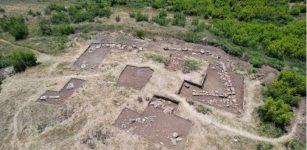 2,000-Year-Old Lost City Of Bassania Described By Roman Historian Livy Investigated By Archaeologists
-
 Evidence Of Early Metalworking In Arctic Canada – European Technologies Involved
-
 Hoard Of Roman Bronze Coins Turns Out To Be Offering For Safe Crossing
-
 Secrets Of Benjamin Franklin’s Paper Money Deciphered By Scientists
-
 Ancient Egyptian Papyrus Tells A Different Story About Biblical Isaac’s Fate
-
 Ancient Relief Depicting Heracles With His Crook And A Seven-Headed Snake Should Be Protected
-
 Ornamental Bronze Wall Plate Unearthed In Ayanis Castle Built By Urartian King Rusa II
-
 More Than 10,000 Artifacts Unearthed At The Birthplace Of Texas
-
 18th Century Potter Atmospheric Steam Engine Found In Slovakia
-
 Untouched 1,300-Year-Old Grave Of Merovingian Warrior With Complete Armor Found In Ingelheim, Germany

