
History Of Bread: Basic Food For The Sick, Poor, Pilgrims, Travelers, And All Other People Around The World
A. Sutherland - AncientPages.com - Bread has been known for millennia, though its authentic history is lost in time. It is the primary food of man in almost all cultures worldwide.
The folklore surrounding bread was passed down through oral tradition, hieroglyphics found in ancient Babylonia and Egyptian tombs, and ancient Chinese records.
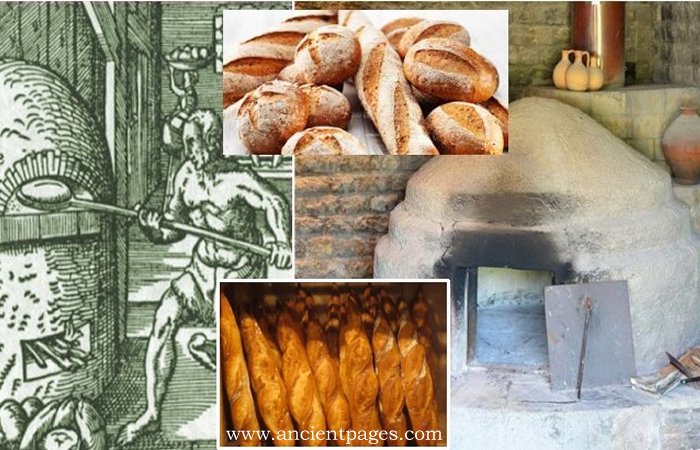
Bread played a crucial cultic role (for example, in the Old Testament) as well as a cultural and symbolic role. Christian tradition is widely known for blessing each new loaf of bread with the sign of the Cross. Also, the Sacrament of Communion (flesh and blood, bread and wine) is essential in Christian imagery, symbolizing the blood of Jesus Christ.

This is a preview of our premium article available only to members of Ancient Pages.
Become a member to read more - Click here
If you are already a member and have logged in to your account, you can access the article here

See also:
Why Was The Pineapple A Status Symbol Once?
More From Ancient Pages
-
 Enigma Of The Natsiliani – Magical Birthmark Protecting People And Animals But Beware Of Its Dangers
-
 Precious Lost Ancient Book Of Wisdom Could Solve Biblical Mysteries
-
 ‘Yunatsite’ And Thought-Provoking Theory That Balkan Peninsula And Not Mesopotamia Was The Cradle Of Civilization
-
 Advanced Ancient Civilization’s Encounter With Primitive People Led To Something Extraordinary – Thought-Provoking Theory Suggests
-
 Brooklyn Papyrus Reveals Ancient Egypt Had Far More Venomous Snakes Than The Country Today
-
 Guide To The Classics: On The Art Of Physical Exercise, A 16th Century Account Of Ancient Sports And Workouts
-
 Starkad The Viking – Legendary Norse Hero Who Was Both Blessed And Cursed By Gods
-
 Ancient Roman Wine Production May Hold Clues For Battling Climate Change
-
 Palnatoke – Founder Of The Jomsvikings Brotherhood, Legendary Danish Hero And Enemy Of King Harald Bluetooth
-
 Stele Of Tell al-Rimah And Deeds Of Assyrian King Adad-nirari Against Rebellious Kings
-
 Årsgång – Year Walk In The Forest – Mystical Journey To Gain Knowledge About The Future – An Ancient Swedish Ritual
-
 Ogham: Unique Celtic Alphabet Used By Druids And Abandoned During Christian Era
-
 Underground Civilizations – True Rulers Of Earth – Part 1
-
 Did Etruscans Solve The Mystery Of Synchronicity And The Secret Language Of The Stars?
-
 Your Destiny Is Engraved And Stored – Sacred Ancient Sources Reveal – Part 1
-
 Mystery Of The Cave Where People Vanish Or Become Disoriented
-
 Strangeness In The Crystal Forest – Sightings Of Sky Mirrors And Luminous Visitors
-
 Queen Mavia And The Tanukhids Launched A Massive Revolt Against Romans – But Why?
-
 The Untold Story Of Sacsayhuamán – Falcon’s Place Is Not What It Seems
-
 Evidence Of At Least Two Lineages Of Late Neanderthals In Europe Discovered

