
Conny Waters - AncientPages.com - Unguja Ukuu is a small settlement on Unguja island (Zanzibar Island), in Zanzibar, Tanzania.
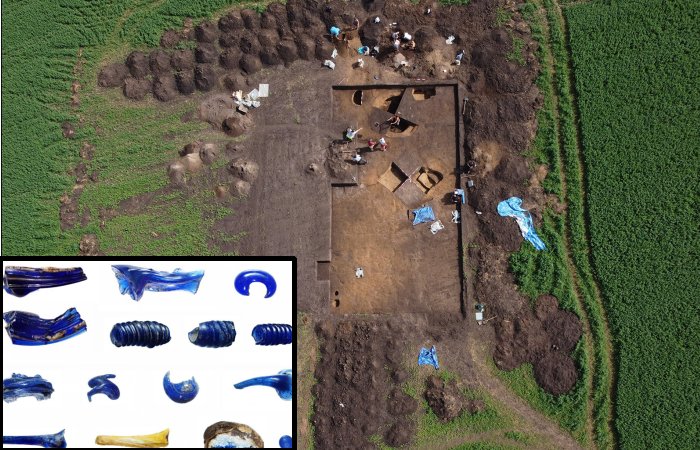
It is an archaeological site that has yielded abundant artifacts and evidence of the long history of Unguja Ukuu. Artifacts unearthed at Unguja Ukuu came from many places all over the world: pottery from the Far East, Near East, India, and the Southern Mediterranean region.
Other items such as rings, glass, coins, iron artifacts, and ivory have also been found along with a variety of animal remains.
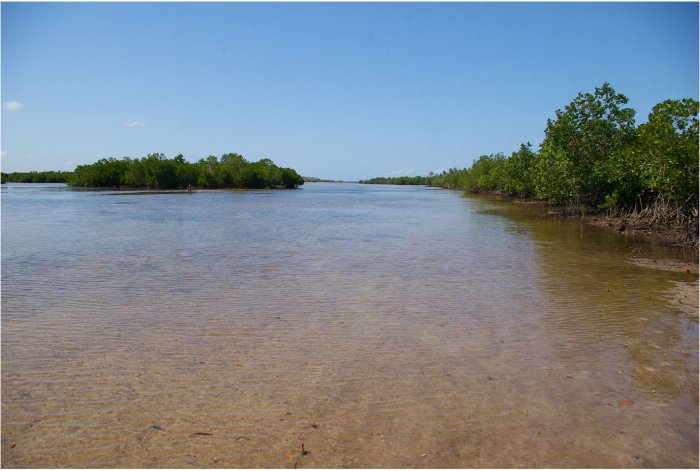
Image credit: Flinders University
Visitors to Unguja Ukuu, centrally located off the east coast of Africa and at the edge of the Indian Ocean, left behind evidence that this place was a central trading port. Unlike the mainland, this site was influenced by foreign merchants and each of them left a mark on this site. Due to the trade activity here early urbanism is evident in one of the first east African trading posts.
Humanity’s impact on the environment is often framed in the context of the post-industrial era but new archaeological research reveals how intensive land use by a medieval East African population altered the natural habitat forever.
Unguja Ukuu, an archaeological settlement located on the Zanzibar Archipelago in Tanzania, was a key port of trade in the Indian Ocean by the first millennium when the island was populated by farming societies establishing trade links toward the Indian Ocean, China, and beyond.
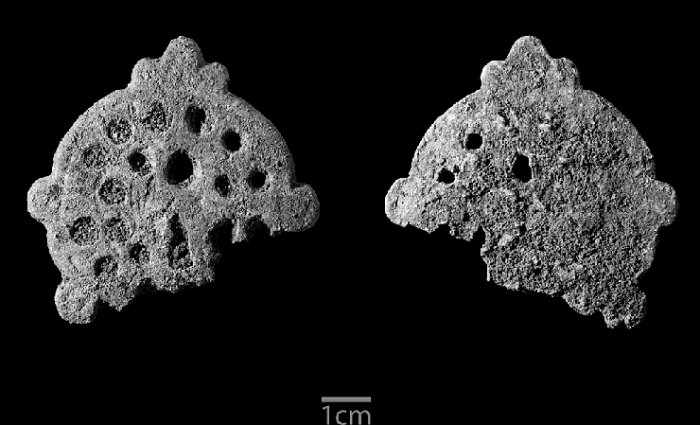
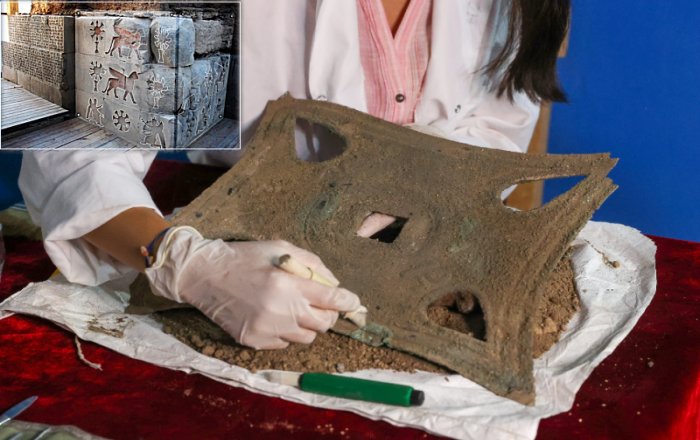
Decorated brass artefact from Unguja Ukuu, Zanzibar (Photo: Ian Cartwright, University of Oxford).
New research published in the Journal of Island and Coastal Archaeology describes how human activities modified the shoreline at Unguja Ukuu.
Urban growth at the coastal settlements and trade ports on the island, and associated trade activities, may have silted up the lagoon hindering the sea traffic and ultimately impacting fish numbers and playing a part in the community’s decline.
For millennia, the Indian Ocean was the maritime setting for a budding form of globalization, with extensive trade and exchange networks operating between Eastern Africa, Southern Arabia, and Southeast Asia which foreshadowed modern global shipping networks.
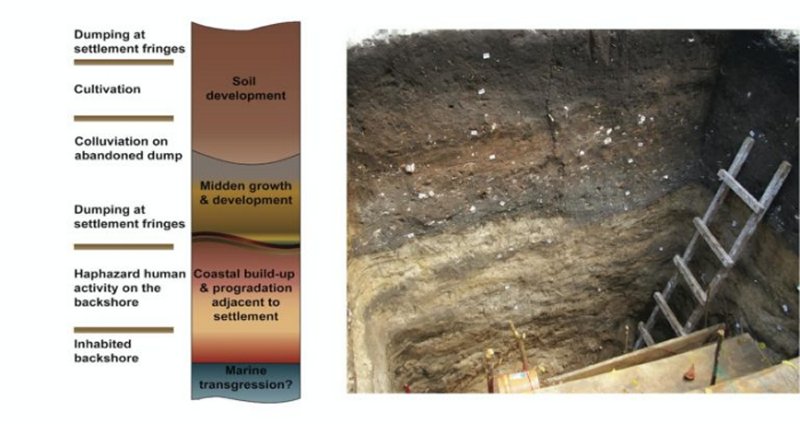
Image credit: Flinders University
“The islands of the Zanzibar Archipelago witnessed numerous environmental and cultural changes as the region became a hub of maritime trade, cross-cultural interaction, and global exchange,” says the study’s lead author and Senior Lecturer in Archaeology at Flinders University, Dr. Ania Kotarba-Morley.
These changes resulted in the dumping of food remains, general waste, and increased agricultural activity and land use, all of which negatively impacted sediment build-up along the island.
“Whilst discussion about human impacts on the planet and its natural environments is ever-present in our current discourse, they almost always refer to the modern impacts and are focused on agricultural or urban areas such as large cities.
“Our study outlines clearly how human interference in a natural environment impacted coastal landforms and sediments on a remote East African island already over 1000 years ago and directly changed the fortunes of the coastal inhabitants in the area as a result,” says a senior author of the study Associate Professor Mike Morley of Flinders University
Written by Conny Waters - AncientPages.com Staff Writer