Submerged Qin Dynasty ‘Seaside Palace’ Of China’s First Emperor – Found
AncientPages.com - Archaeologists believe they may have found a submerged seaside palace built more than 2,200 years ago by China’s first emperor, Ying Zheng, mainland media reports.
The building, thought to date back to the Qin dynasty (221-207BC), was discovered under the sea off the coast of Suizhong county, in Liaoning province, researchers from Liaoning and Beijing told the Liaoshen Evening News.

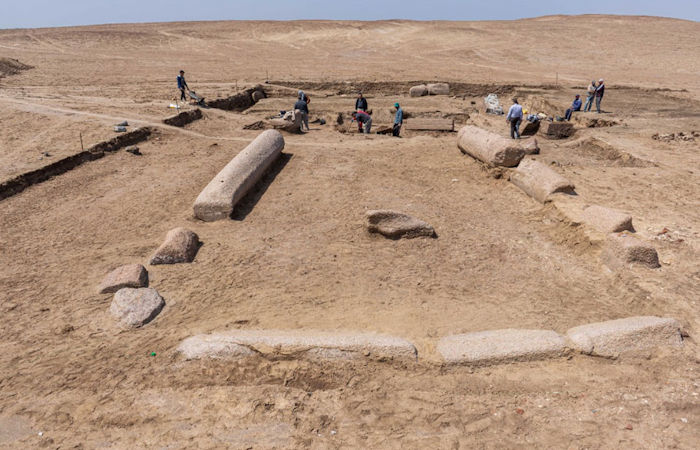
The largest discovery was a 60-metre wide square, formed of large stones, which could be the foundations of a large platform for religious sacrifices or other important activities, the archaeologists said.
They also found the remains of a stone road running through the palace.
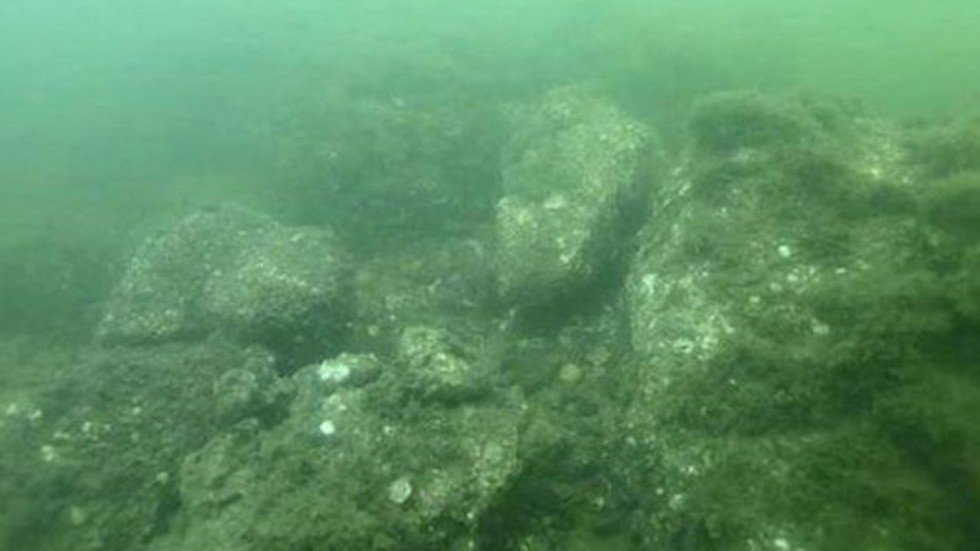
Most of the remains of the Qin dynasty palace lie submerged off the coast of China’s Liaoning province. Photo: Liaoshen Evening News
Local fishermen said they had previously found ancient coins and ceramics on the seabed, while some of the stone walls were clearly visible at low tide.
Ying Zheng, also known as Qin Shihuang, was China’s first ruler, who united the nation by conquering all of the warring states in 221BC.
He is said to have visited the East China Sea coast three times before his death in 210BC in his futile quest for immortality.
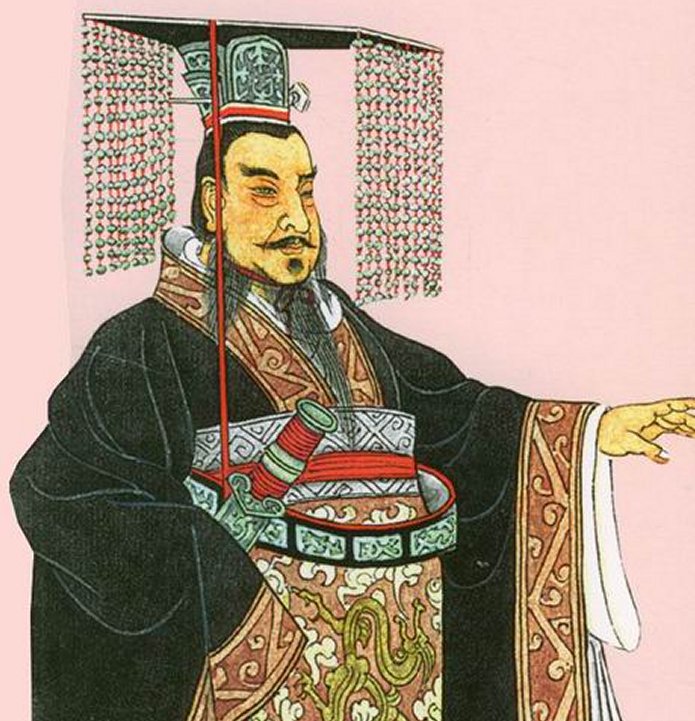
Emperor Qin Shi Huang (259 BC – 210 BC) fascinates people when they talk about the Great Wall and the Terracotta Warriors and Horses – his two greatest achievements to China. As the first emperor of China, he indeed has a profound influence on Chinese history and culture. Credits: I-China.
Emperor Qin Shi Huang (259 BC - 210 BC) fascinates people when they talk about the Great Wall and the Terracotta Warriors and Horses - his two greatest achievements to China. As the first emperor of China, he indeed has a profound influence on Chinese history and culture.
When Ying Zheng unified China, he considered his achievement surpassing the legendary "San Huang (three emperors)" and "Wu Di (five sovereigns)".
He created a new title for himself: "Huangdi" together with "Shi (means the first)", hence get the name "Qin Shi Huang" or "Qin Shi Huangdi", which means he was the first emperor of China. He hoped his descendants would follow in his steps to rule China for eternity.
AncientPages.com
source: South China Morning Post

More From Ancient Pages
-
Unusual Iron Age Cemetery Discovered In Dorset, UK
Archaeology | Jul 11, 2022 -
Unique Viking Age ‘Cottage’ With Artifacts Discovered At ‘The Edge Of The World’ Thanks To Old Travel Notes
Vikings | May 5, 2025 -
Tombstone With Ancient Greek Inscription Unearthed Near Nitzana In The Negev, Israel
Archaeology | Jan 8, 2021 -
Teaching Is Not Essential For People To Learn How To Make Tools, Study Says
Archaeology | Dec 6, 2015 -
Has The Mystery Of The Lost Trading Ship Zuytdorp Been Solved?
Archaeology | Dec 11, 2024 -
Mystery Of The British Pompeii Deepens – Bronze Age Settlement Destroyed By Dramatic Fire
Archaeology | Jun 23, 2019 -
Largest Ancient Embalming Cachette Ever Found Unearthed At Abusir, Egypt
Archaeology | Feb 20, 2022 -
Massive Underground Anomaly – Iron Ages Temples And Seat Of Legendary Ulster Kings Discovered At Navan Fort?
Archaeology | Jul 21, 2020 -
Huge Ancient Sarayini Underground City Is Twice As Large As Previously Thought
Archaeology | Aug 22, 2023 -
Rare Bone Tool Workshop Used By Paleolithic Hunter-Gatherers Found In El Mirón Cave
Archaeology | Apr 19, 2023 -
Large Pre-Columbian Pyramid Discovered Under Highway In Mexico But It Will Not Be Excavated
Archaeology | Dec 16, 2024 -
New Egyptian Dinosaur Helps To Reconstruct Evolution Of Dinosaurs In Africa
Archaeology | Jan 30, 2018 -
7,000-Year-Old ‘Immortal City’ Of Misis – Excavations Shed Light On Its Fall
Archaeology | Aug 25, 2015 -
Neanderthals Invented Or Developed Birch Tar Making Technique Independently From Homo sapiens
Archaeology | May 30, 2023 -
Ancient City Of Babylon Finally Declared A World Heritage Site By UNESCO
Archaeology | Jul 8, 2019 -
First Solid Scientific Evidence That Vikings Brought Animals To Britain
Archaeology | Feb 1, 2023 -
Very Rare Discovery: Viking Age Mortuary House Unearthed In Central Norway
Archaeology | Sep 29, 2019 -
2,400-Year-Old Flush Toilet Discovered In China
Archaeology | Feb 24, 2023 -
Intriguing Study Reveals Genes And Languages Aren’t Always Found Together – What Does This Say About Our Ancestors?
Archaeology | Nov 22, 2022 -
Evidence Of Biblical Kingdom Of Edom In Arava Desert – Discovered
Archaeology | Sep 23, 2019