


A. Sutherland - AncientPages.com - "At Warka, the biblical Erech, this conception
found a grandiose expression. A temple of the Protoliterate Period, preserved by an extraordinary
chance, and probably dedicated to the god Anu, repeats in its plan the main features of the shrine at Eridu. Still, the process of clarification has proceeded further. The corner bastions are gone, and the plan has become a simple oblong decorated with a uniform system of buttresses and recesses. The principal change, however, appears in the elevation."
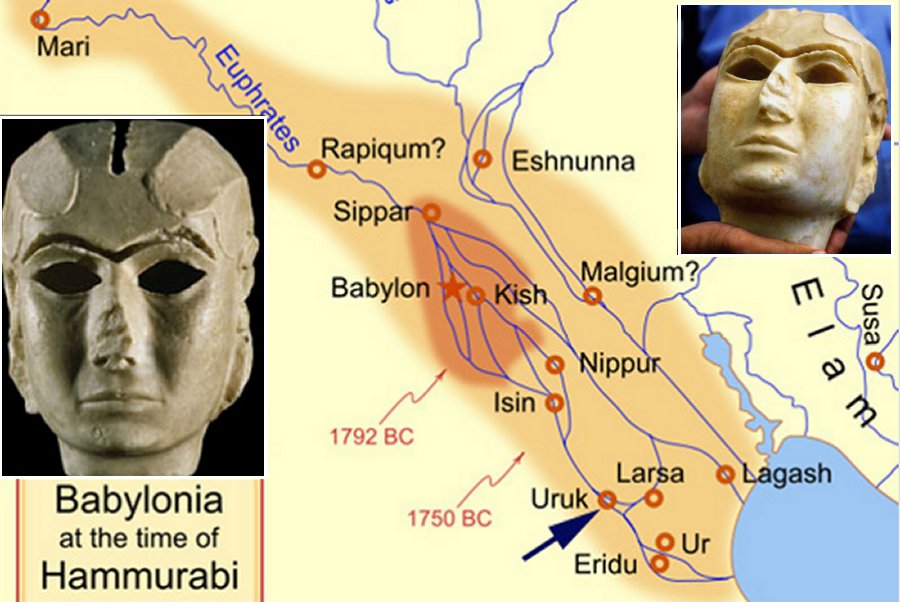
"The platform found at Eridu is here replaced by an artificial mountain, irregular in outline, and rising forty feet above the featureless plain, a landmark dominating the countryside for miles around. Its corners were orientated to the points of the compass..." 1
The famed “Mask of Warka,” also known as the "Lady of Uruk" (due to its resemblance to the Sumerian goddess Inanna), is dated to about 3100 BC. It is a limestone sculpture discovered by the German archaeologists excavating in southern Iraq in 1939.


This is a preview of our premium article available only to members of Ancient Pages.
Become a member to read more - Click here
If you are already a member and have logged in to your account, you can access the article here


See also:
Uruk – The Hero Gilgamesh’s City With A Sophisticated, Carefully, And Intentionally Planned Layout
Secrets Of The Uruk Prophecy Found In The Ancient Library Of A Magician With Divine Powers
Meskiaggasher: Legendary Founder Of The First Dynasty Of Uruk Who ‘Entered The Sea And Disappeared’

