


Conny Waters - AncientPages.com - The search for the lost ancient Egyptian city of Masn continues, and archaeologists have uncovered important clues about its location. Several years ago, they reported discovering Pharaonic water wells near Horus Road in Sinai, Egypt. Now, a new discovery has been made at Tell Abu Seify in Qantara East.
Credit: Ministry of Tourism and Antiquities
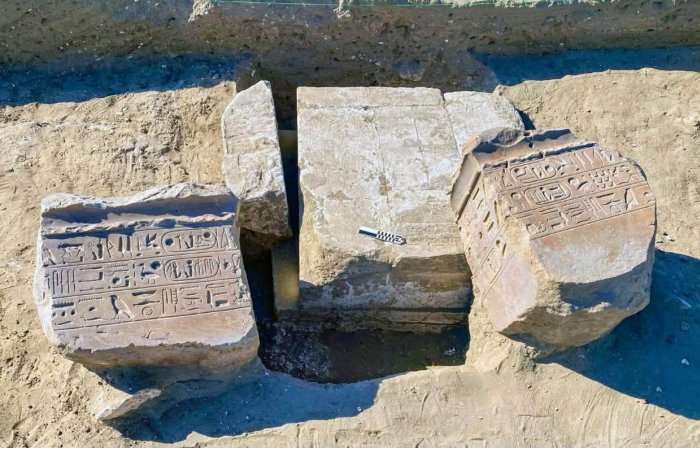
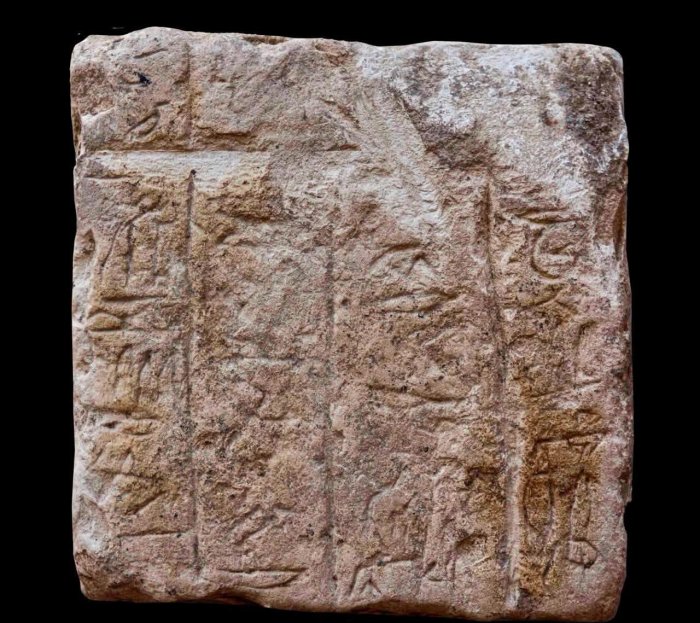
Among the most significant discoveries is a large sandstone lintel, broken into two pieces and inscribed on three sides with the titles of King Ramesses II. This artifact is important because it provides new insights into Egypt’s ancient Horus Military Road and the lost city of Masn.
The Ministry of Tourism and Antiquities announced that the newly discovered inscription also mentions restoration work on a statue of Horus, Lord of the City of Masn. This provides important evidence in the ongoing effort to identify the ancient settlement.
Credit: Ministry of Tourism and Antiquities
According to Hisham El-Leithy, Secretary-General of the Supreme Council of Antiquities, the current excavations have also led to a reassessment of the architectural remains uncovered during earlier seasons.
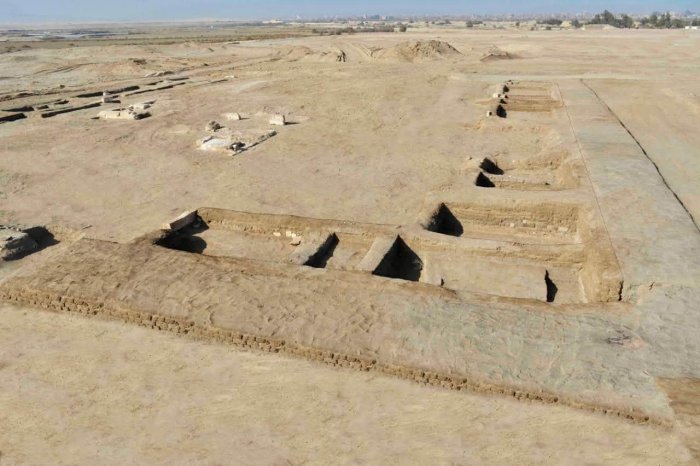
The team continued work on a massive mudbrick enclosure wall, which includes gateways, internal rooms, and multiple layers of construction. Studies have determined that this structure was the outer enclosure surrounding the temple precinct, not the temple itself, correcting earlier interpretations of the site.
Credit: Ministry of Tourism and Antiquities
El-Leithy explained that the new evidence presents a strong hypothesis linking Tell Abu Seifi to the ancient city of Masn, although further excavation and scientific research will be necessary before the identification can be conclusively established.
The mission was successful. Archaeologists uncovered two successive stone-paved roads leading from outside the fortified area into the temple. The earlier road dates to the Ptolemaic Period, while a narrower Roman road was later constructed above it.
Credit: Ministry of Tourism and Antiquities
Additional remains include storage rooms on the northern side and larger service rooms to the south, both of which lead toward the sanctuary.
The sanctuary was later destroyed, likely due to quarrying activities during the Late Roman Period.
Mohamed Abdel Badie, Head of the Egyptian Antiquities Sector at the Supreme Council of Antiquities, said the discoveries provide further evidence of the site’s changing functions and its strategic importance.
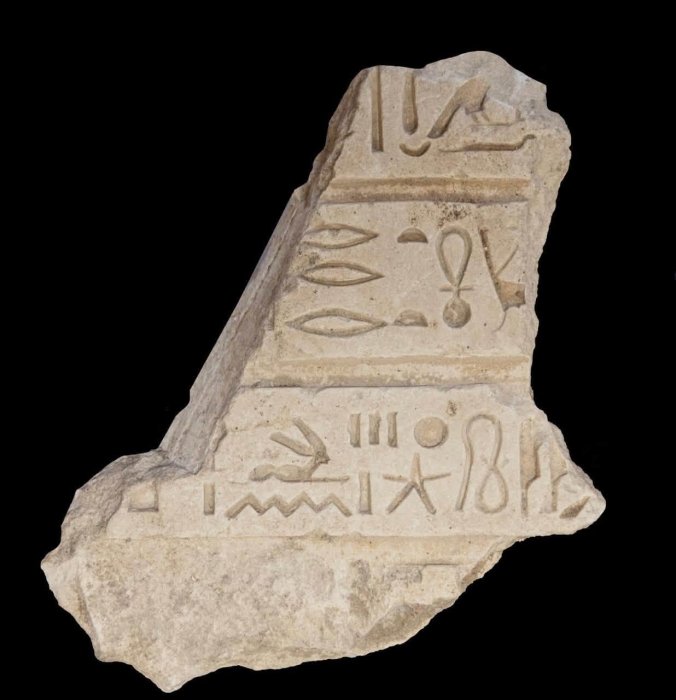
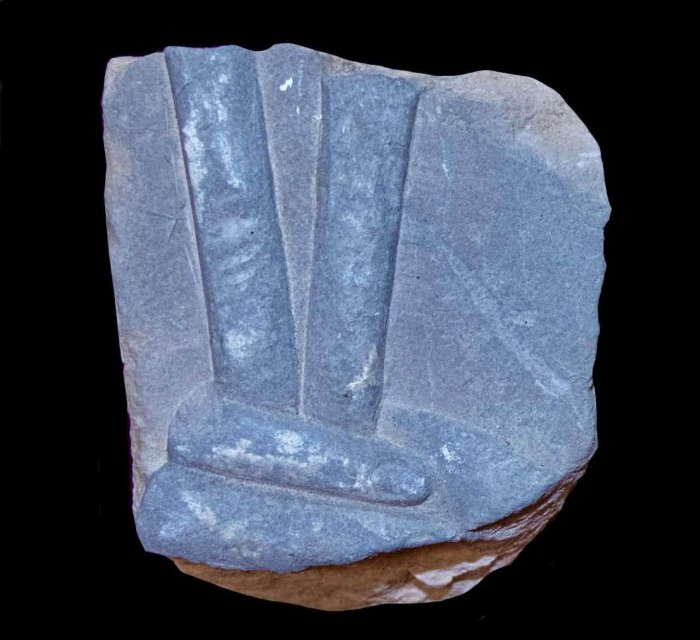
He added that among the finds is part of a schist statue dating to the 26th Dynasty, depicting an army scribe carrying a broken naos.
The mission also uncovered a headless, footless statue from the Late Period, the torso of a royal basalt statue, and fragments of basalt and limestone falcon statues.
“The archaeological evidence shows that the site underwent several phases of development,” Abdel Badie pointed out. He added that the temple reached its architectural peak during the Ptolemaic Period, before parts of the complex were reused as a military castrum in the third century AD.
Credit: Ministry of Tourism and Antiquities
By the Late Roman Period, the site had been transformed into a lime-production quarry. Excavations revealed two large circular kilns built over the corners of the sanctuary, containing limestone remains that had been subjected to intense heat.
The Ramesses II lintel and its reference to Horus, Lord of Masen, are particularly significant for determining the site’s identity, while the administrative and military objects discovered there further underscore its strategic character.
See also: More Archaeology News
When combined with earlier discoveries, the latest evidence makes it more likely that Tell Abu Saifi is the site of Masn, an ancient Egyptian city mentioned in New Kingdom texts.
Recent discoveries show that Tell Abu Seifi was an important stop on the Horus Military Road. Over time, it took on military, religious, and economic roles, demonstrating its strategic value along Egypt’s eastern border and its enduring religious significance from the Pharaonic to the Roman periods.
Source: Ministry of Tourism and Antiquities, Ahram Online
Written by Conny Waters - AncientPages.com Staff Writer