


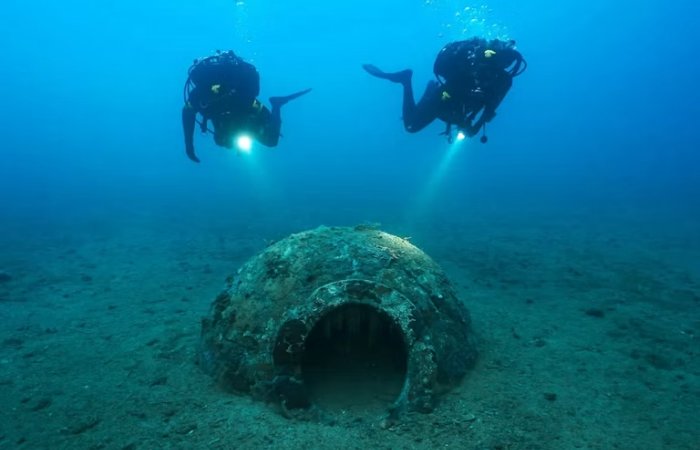
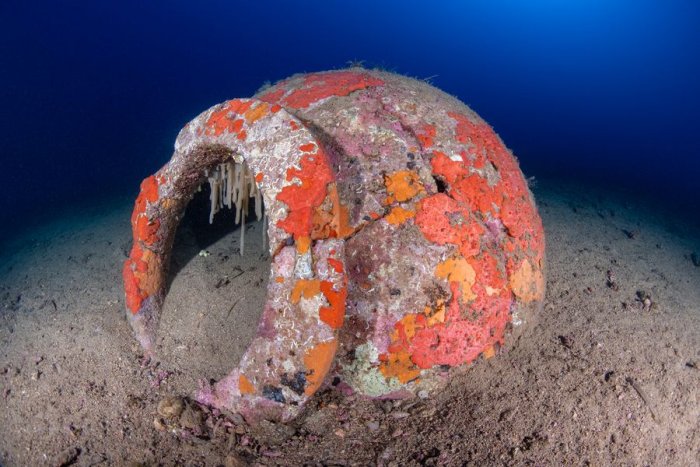
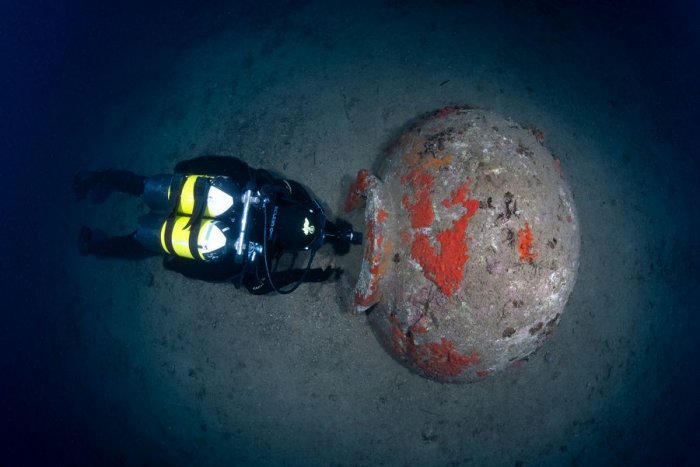
Conny Waters - AncientPages.com - Underwater archaeologists have discovered a giant Roman-era dolium and a possible shipwreck on the seabed near the island of Elba.
The underwater mission began in May 2026 and is led by the ABAP Superintendency for Pisa and Livorno, in collaboration with the Carabinieri Cultural Heritage Protection Unit of Florence and the Carabinieri Underwater Unit of Genoa.
Credit: Soprintendenza Archeologia, Belle Arti e Paesaggio per le province di Pisa e Livorno
The project focuses on waters under the Superintendency’s jurisdiction, especially the area between the Piombino Channel and the Tuscan Archipelago. It is part of a broader conservation program to assess the condition of submerged sites, verify the location of known artifacts, update cartographic records, and document new discoveries, thereby expanding knowledge of the region’s underwater archaeological heritage.
Credit: Soprintendenza Archeologia, Belle Arti e Paesaggio per le province di Pisa e Livorno
These findings are part of a broader survey of the seabed around Elba, which is historically known as the site of Napoleon’s 300-day exile following his defeat at Leipzig in 1813.
Credit: Soprintendenza Archeologia, Belle Arti e Paesaggio per le province di Pisa e Livorno
For millennia, traders, fishermen, and other seafarers have navigated the waters around Elba, making it likely that underwater archaeologists will continue to find submerged artifacts.
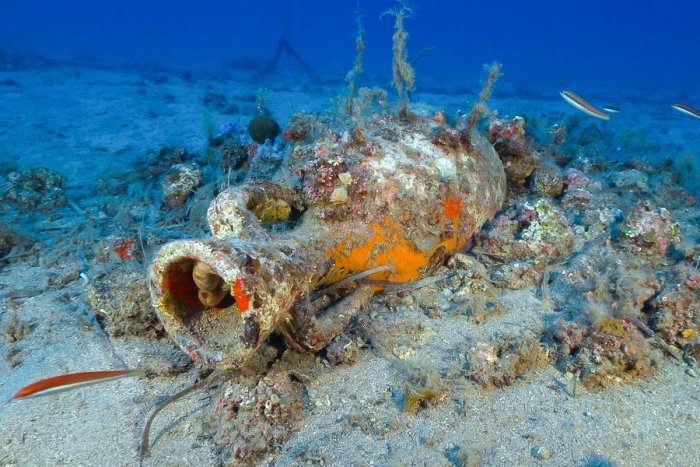
The possible shipwreck measures approximately five meters by two meters and is now almost entirely covered in mucilage, limiting observation. Surveys have identified planking, wooden structural elements, and numerous bronze nails. Its current state of preservation prevents precise dating, but it may date from Late Antiquity to the Middle Ages.
Credit: Soprintendenza Archeologia, Belle Arti e Paesaggio per le province di Pisa e Livorno
Scientists are also studying the large ancient Roman dolium, a terracotta container used to transport and store foodstuffs such as wine, oil, and grains. Much of what is known about the dolium comes from ancient Latin literature.
Based on its characteristics and context, the find is likely linked to a dolia ship, a type of merchant vessel used from the 1st century BC to the 1st century AD to transport bulk wine along major Tyrrhenian Sea trade routes.
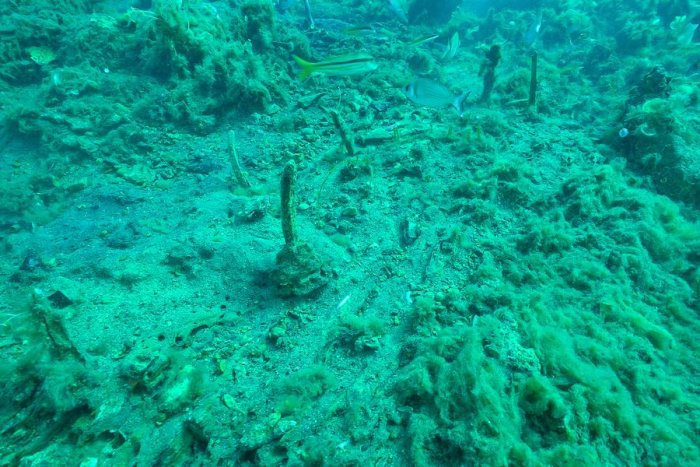
Credit: Soprintendenza Archeologia, Belle Arti e Paesaggio per le province di Pisa e Livorno
These findings confirm the significant archaeological potential of the Tuscan Archipelago’s seabed and highlight the importance of ongoing monitoring to protect, research, and promote submerged cultural heritage.
"The sea around the Tuscan Archipelago is an exceptional trove of archaeological treasures, and these new discoveries further confirm its value," stated Superintendent Valerio Tesi.
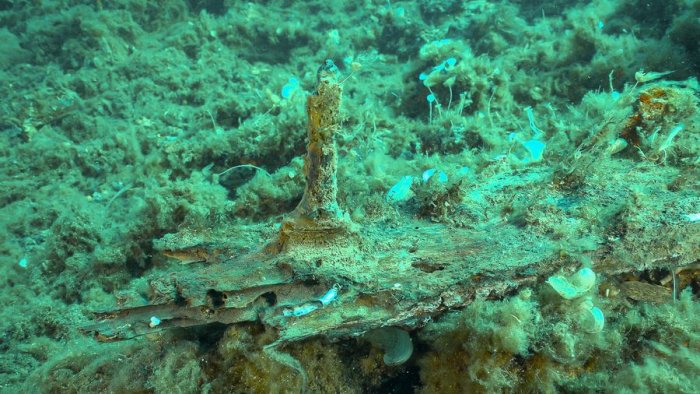
Credit: Soprintendenza Archeologia, Belle Arti e Paesaggio per le province di Pisa e Livorno
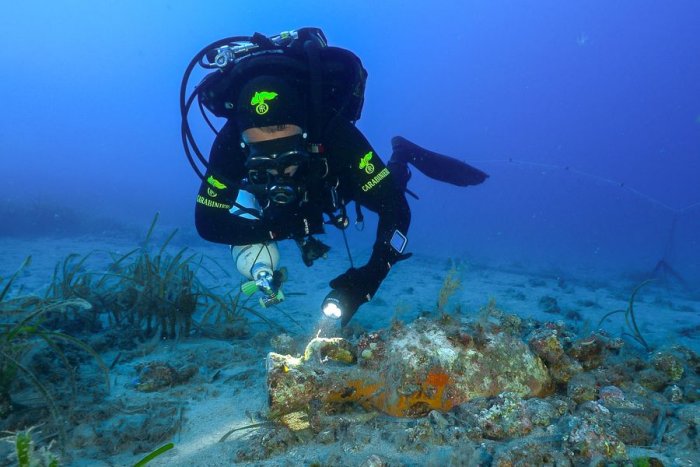
Credit: Soprintendenza Archeologia, Belle Arti e Paesaggio per le province di Pisa e Livorno
"These findings result from the strong collaboration between the Superintendency and the Carabinieri, especially the Cultural Heritage Protection Unit of Florence and the Diving Unit of Genoa. They also reflect the dedication of archaeologist Gloriana Pace, who is building a valuable partnership with diving centers to actively involve them in protecting this rich yet fragile heritage."
See also: More Archaeology News
To advance understanding of the site, the Superintendency plans a second underwater survey in autumn 2026. During this campaign, exploratory archaeological tests will clarify the nature, chronology, and characteristics of the wreck.
The Superintendency also aims to involve the National Superintendency for Underwater Cultural Heritage as soon as possible in surveys of wrecks at medium and deep depths.
Source: Soprintendenza Archeologia, Belle Arti e Paesaggio per le province di Pisa e Livorno
Written by Conny Waters - AncientPages.com Staff Writer