


Conny Waters - AncientPages.com - Assyrian ribbed vessels represent elite pottery and metallic tableware that belonged to royals. They were found in the magnificent Northwest Palace of the Neo-Assyrian King Ashurnasirpal II (883–859 BC) at Nimrud, as well as in the royal tombs of Assyrian queens.
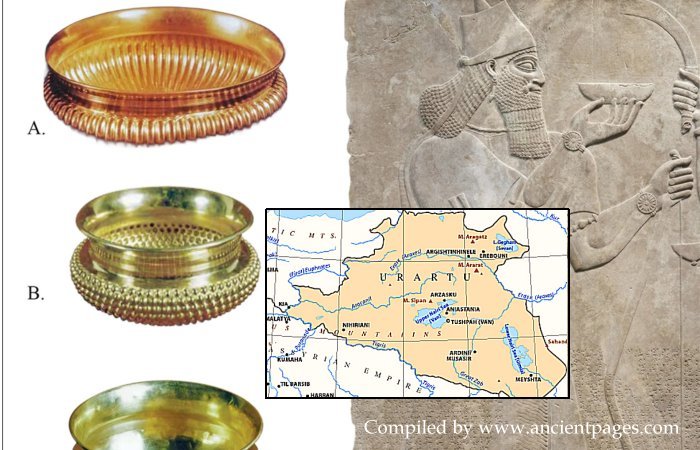
Credit: Met Museum - Image compilation AncientPages.com
Urartian rulers adopted and transformed this model. The inscribed ribbed bowl of Sarduri I marks the major change in Assyrian vessels into the classic Urartian plain bowls, including their external shape, structural attributes, and form.


This is a preview of our premium article, which is available only to members of Ancient Pages.
Become a member to read more - Click here
If you are already a member and have logged in to your account, you can access the article here


See also:
Archaeologists Discover Builders In Mesopotamia Did Something Unusual: But Why?
3,000-Year-Old City Of Tralleis Under Greek-Roman Influence Investigated By Archaeologists

