
The Bushido Code: Centuries-Old Unwritten Code For Ideal Samurai Warrior
A. Sutherland - AncientPages.com - Bushido, which literally means "way of the warrior," is the code of chivalry developed by the warriors in feudal Japan known as the samurai.
During the reign of the shogunates: Kamakura (1185 - 1333) and Ashikaga (1336 - 1573) various samurai clans battled for power.
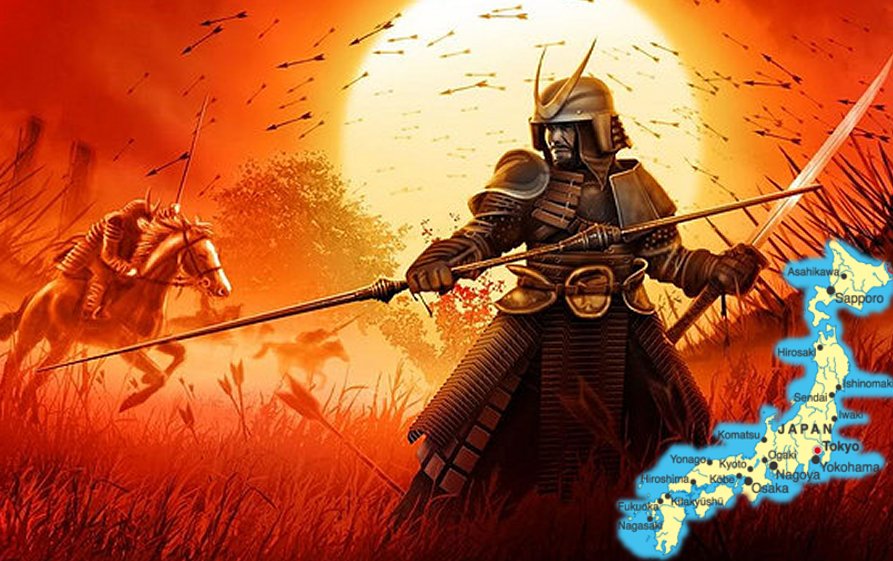
From about 13th century the samurai began to follow the teachings of Zen Buddhism, Shintoism, and Confucianism and the seven most important principles of the Bushido Code became principal guidance in the warrior’s life.
A much more standardized form of the code appeared during the Tokugawa Shogunate, the last feudal Japanese military government, which existed between 1603 and 1867.
The code stressed unquestioning loyalty and obedience, valuing honor above life, and helping to be ideal warriors. The Bushido Code includes the most important principles such as courage, integrity, benevolence, respect, honesty, honor, and loyalty.
Over many centuries, it has influenced the whole of Japanese society.
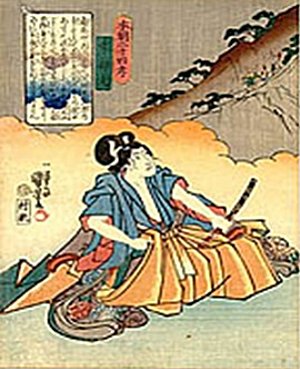 As a code of ethics, the Bushido Code can be successfully utilized and practiced in modern people’s everyday life both professionally and personally.
The word samurai literally means “one who serves,” and originally referred to domestic servants and later to elite military warriors who provided security and fought for the aristocratic class.
The first samurai could be considered imperial mercenaries.
To Westerners, Samurai are known to have the ability to possess many different characteristics of the bushido code, such as serving people, striving for honor, and doing one’s best in critical situations.
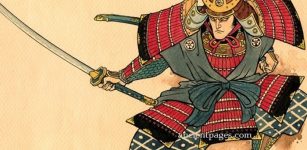
The sword was considered the symbol of the samurai warrior and his soul. Maintaining the bushido code in his heart and mind, was the samurai’s sole purpose in life.
With his sword, the samurai warrior fought to the death in battle to preserve the honor of his overlord or his family.
Facing imminent failure or disgrace (suffer torture), the samurai warrior was ready to commit ‘seppuku’ – ritual suicide, originally reserved for samurai. 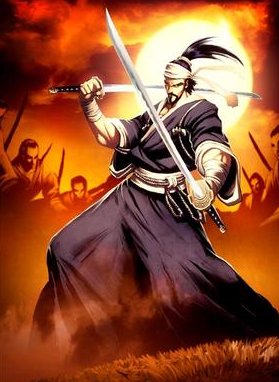
As a part of the Bushido Code, ‘seppuku’ – was performed either voluntarily by samurai, when he fell into the hands of their enemies or as a form of punishment for samurai who had committed serious offenses, or performed because they had brought shame to themselves.
If the samurai did not follow the Bushido Code, he had no right to call himself a samurai and deserve respect.
The Bushido Code has changed over the long period of its existence. Religious dominance is not as strong as in ancient times.
However, two of the most important principles of the Bushido Code are still alive: loyalty to country and family.
There are similarities between the Japanese Code of Bushido and the European Knights' Code of Chivalry, especially in values of how to treat people, but there are also several differences.
Knights of Europe protected lands of their lords for money and loyalty and honor were bought with a coin.
For Samurai, to enjoy the honor, he must earn it, according to the Bushido Code.
Written by – A. Sutherland AncientPages.com Staff Writer
Copyright © AncientPages.com All rights reserved. This material may not be published, broadcast, rewritten or redistributed in whole or part without the express written permission of AncientPages.com
Expand for referencesReferences:
T. Cleary, Code of Samurai
S. Turnbull, The Samurai
More From Ancient Pages
-
 Is Mysterious Pokaini Forest An Ancient Healing Center And Anomalous Zone?
-
 Exceptional 1,700-Year-Old Roman Mosaics Have Returned Home To Israel
-
 Bronze Age Roundhouses And Roman-Era Settlement Discovered In Newquay, Cornwall
-
 AI Discovers Hundreds Of Unusual Nazca Geoglyphs In The Desert
-
 Unique 2,000-Year-Old Hexagonal-Shaped Bronze Matrix Of Sarmizegetusa Regia, Romania
-
 On This Day In History: Battle Of Rain Was Fought On April 15, 1632, During The Thirty Years’ War
-
 Lost Ancient Sahara Civilization Buried Beneath The Sand – New Clues And Some Surprises
-
 Cities Of Bashan Were Built By Ancient Giants – Archaeological Evidence Exists But Is Ignored
-
 A 1,000-Year-Old Intact Mummy Unearthed In Ancient Pachacamac Site, Peru
-
 Everyday Life Of A Samurai: Armor, Appearance And Belongingness
-
 Adorable Village Of The Little People In Connecticut
-
 Huge 36-Million-Year-Old Skull Of Fearsome Marine Monster Discovered In Peru
-
 Stone Age People Lived In Reused Houses – Not Just Caves – Discovery In Norway Reveals
-
 Mnemosyne: Powerful Greek Goddess Of Memory, Bridge Between The Past And The Future
-
 100,000-Year-Old Case Of Deafness Discovered In Fossilized Skull Of Hunter-Gatherer
-
 On This Day In History: Anne Boleyn, The Second Wife Of Henry VIII – Beheaded For Adultery, Treason And Incest – On May 19, 1536
-
 Mystery Of Monte Albán – Ancient City ‘At The Foot Of The Heavens’ Built By The Zapotecs
-
 Dark And Light Sides Of Pax Romana: Great Political Slogan Introduced After Civil Wars
-
 Viking House The Size Of Two Tennis Courts Discovered In Norway
-
 2,700-Year Old Eclipse Mystery Solved With The Help Of Historical Geography

