


Ellen Lloyd - AncientPages.com - Ancient Egypt is often depicted as an autonomous, stand-alone realm that remained untouched and unaffected by its surrounding African cultures.
There is, however, historical evidence that the balance of power shifted, where the cultures of Egypt and the rest of Africa met and mingled, prompting a revival and reinterpretation of Egyptian customs, gods, and cultural modes of expression.
For more than 2,000 years, Egypt was the stronger player in the balance of power between itself and its neighboring kingdom to the south, Nubia.
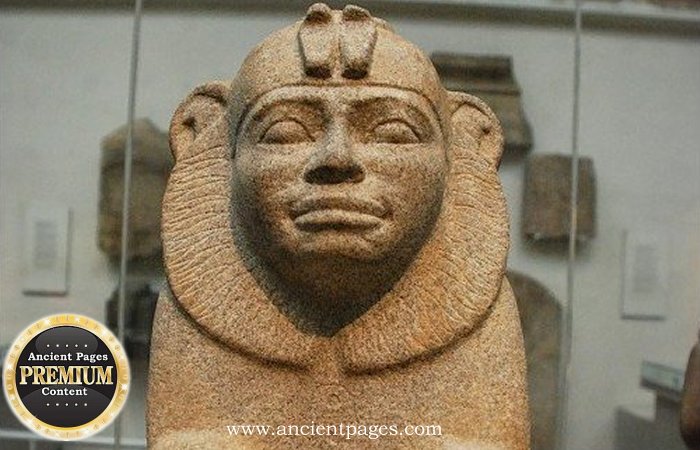
Taharka was the most powerful of the black pharaohs
Taharqa was the son of Piye and the cousin and successor of Shebitku. He was a pharaoh of the Ancient Egyptian 25th dynasty and king of the Kingdom of Kush in Northern Sudan. He reigned between 690 and 664 BC.
Taharqa, known as "The Black Pharaoh," focuses on a particular chapter in the history of Egypt: from around 750 BCE to the century that followed, the Nubian rulers upset this balance, seizing power in Egypt.


This is a preview of our premium article available only to members of Ancient Pages.
Become a member to read more - Click here
If you are already a member and have logged in to your account, you can access the article here

See also:
Ancient Mystery Of Pharaohs And Gods With Two Left Or Two Right Hands – A Deeper Investigation